

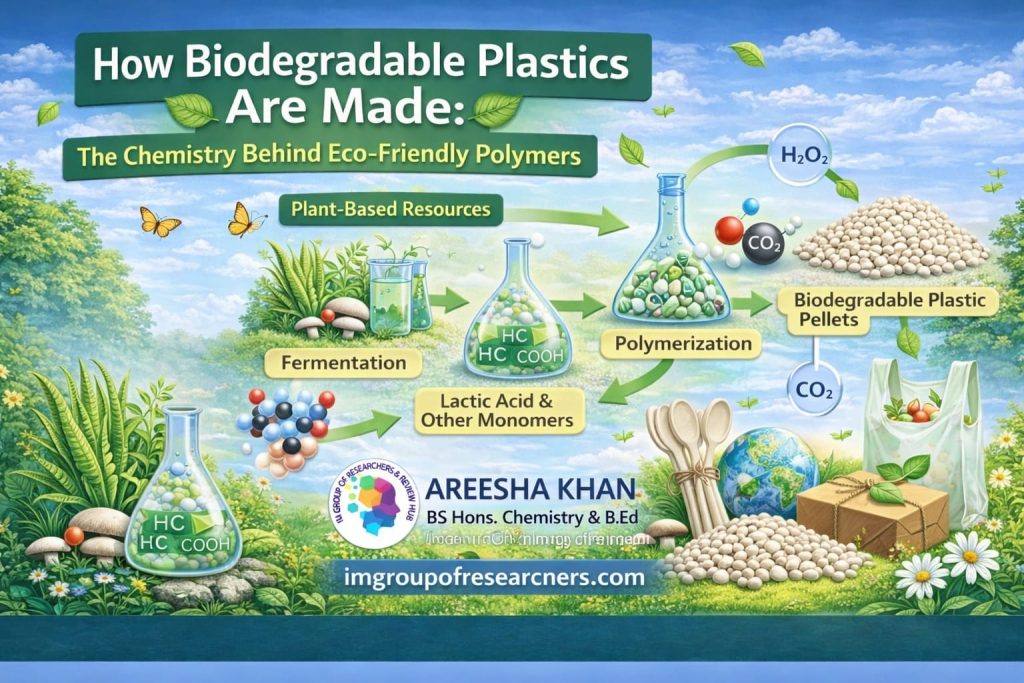
Introduction: Why Biodegradable Plastics Are Important for the Environment
Plastic pollution has become one of the most serious environmental challenges worldwide. Conventional plastics are primarily produced from petroleum based polymers and can persist in the environment for hundreds of years. These materials accumulate in landfills, oceans, and ecosystems, causing significant harm to wildlife and environmental health.
To address this growing problem, scientists and environmental researchers have developed biodegradable plastics. These materials are designed to break down naturally through biological processes, reducing long term environmental damage.
Unlike conventional plastics, biodegradable plastics are often produced from renewable resources such as plant based materials. Through microbial activity and natural decomposition, these polymers can degrade into relatively harmless products such as water, carbon dioxide, and organic matter. This makes them an important component of sustainable materials science and green chemistry.
What Are Biodegradable Plastics?
Biodegradable plastics are polymer materials that can be decomposed by microorganisms such as bacteria and fungi. These microorganisms release enzymes that break down polymer chains into smaller molecular fragments. Over time, these fragments are converted into natural compounds that can safely return to the environment.
Several types of biodegradable plastics are currently used in industrial and commercial applications.
• Polylactic Acid (PLA)
• Polyhydroxyalkanoates (PHA)
• Starch based plastics
• Polybutylene Succinate (PBS)
These materials are commonly used in food packaging, disposable items, agricultural films, medical implants, and compostable bags. Because of their ability to degrade under appropriate environmental conditions, biodegradable plastics are increasingly viewed as a sustainable alternative to conventional plastics.
Raw Materials Used to Produce Biodegradable Plastics
The production of biodegradable plastics relies on renewable biological resources. These raw materials provide the chemical building blocks required for polymer synthesis.
Corn Starch: A Key Ingredient for Bioplastics
Corn starch is one of the most widely used raw materials for bioplastic production. It contains long chains of glucose molecules that can be chemically or biologically converted into biodegradable polymers.
Through fermentation and chemical processing, starch derived sugars can be transformed into lactic acid and other monomers used for polymer production.
Sugarcane: Source of Lactic Acid for PLA Production
Sugarcane is another important renewable resource used in the production of biodegradable plastics. It provides fermentable sugars that microorganisms convert into lactic acid. This lactic acid serves as the primary building block for producing Polylactic Acid plastics.
Vegetable Oils and Natural Resources
Vegetable oils such as soybean oil and palm oil can also be chemically modified to produce biodegradable polymer materials. These oils contain fatty acids that can be transformed into polymer precursors through chemical reactions.
Microorganisms in Biopolymer Production
Certain bacteria naturally produce polymer materials known as Polyhydroxyalkanoates during fermentation. These microorganisms synthesize PHA as an energy storage material. Scientists can harvest and process these polymers to create biodegradable plastic products.
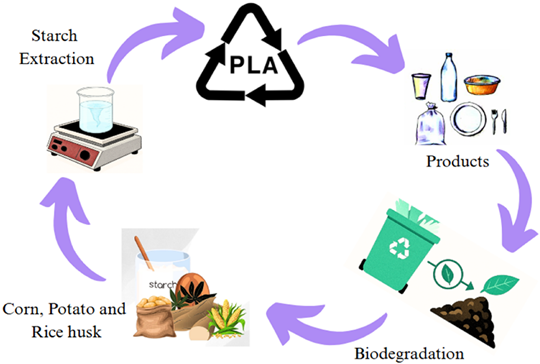
Step by Step Process of Making Biodegradable Plastics
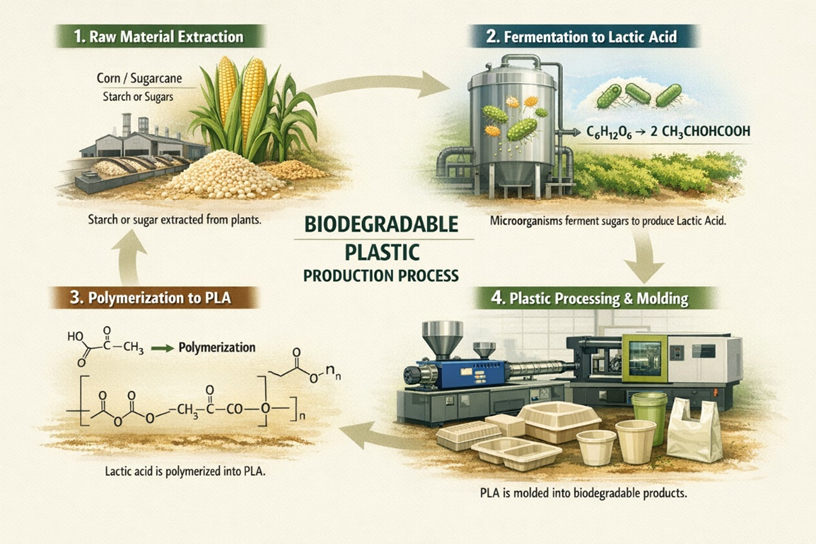
The manufacturing process of biodegradable plastics involves several chemical and biological stages.
Step 1: Extraction of Natural Raw Materials
The first stage involves extracting sugars or starch from plant based resources such as corn, sugarcane, or other biomass. These raw materials provide the fundamental chemical compounds required for polymer synthesis.
Step 2: Fermentation to Produce Lactic Acid
During fermentation, microorganisms convert plant derived sugars into lactic acid. This biological process is similar to fermentation used in food production, but it is optimized for large scale industrial manufacturing.
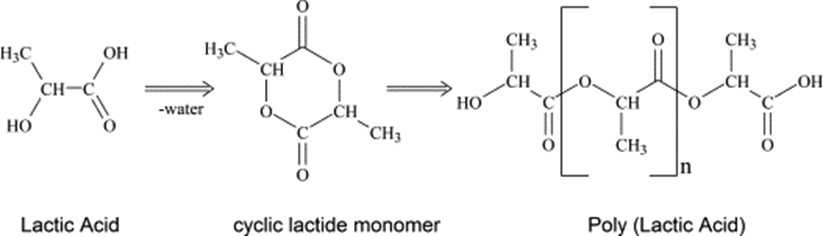
Step 3: Polymerization Reaction
In this stage, lactic acid molecules undergo polymerization. Polymerization is a chemical reaction where small molecules called monomers link together to form long polymer chains. This reaction produces Polylactic Acid, a biodegradable thermoplastic polymer.
Step 4: Manufacturing and Plastic Processing
After polymer formation, the biodegradable plastic is processed using conventional plastic manufacturing techniques such as extrusion, injection molding, and film forming. These processes transform the polymer into products such as packaging materials, containers, biodegradable bags, and medical devices.
How Biodegradable Plastics Decompose in Nature
Biodegradable plastics degrade through the action of microorganisms present in soil, water, and composting environments. The degradation process involves several stages.
• Microorganisms attach to the plastic surface
• Enzymes begin breaking down polymer chains
• Large polymers are converted into smaller molecules
• Final products such as carbon dioxide, water, and biomass are formed
Environmental conditions strongly influence the degradation rate. Factors such as temperature, oxygen availability, moisture levels, and microbial activity determine how quickly biodegradable plastics break down.
In industrial composting environments, the degradation process can occur within a few months, whereas in natural environments it may take longer depending on environmental conditions.
Advantages of Biodegradable Plastics for Sustainable Development
Biodegradable plastics offer several benefits for environmental sustainability and waste management.
• Reduction of long term plastic pollution
• Production from renewable biological resources
• Lower carbon footprint compared to petroleum plastics
• Compatibility with composting systems
• Support for circular and sustainable waste management strategies
These advantages make biodegradable plastics an important focus area in green chemistry, sustainable materials science, and environmental engineering.
Challenges and Limitations of Biodegradable Plastics
Despite their environmental advantages, biodegradable plastics also face several technical and economic challenges.
• Higher production costs compared to conventional plastics
• Requirement for controlled composting conditions for efficient degradation
• Limited recycling infrastructure in many regions
• Potential competition with agricultural crops used for food production
Researchers are actively working to improve biodegradable polymer technologies by developing new materials, optimizing fermentation processes, and exploring alternative biomass resources.
Conclusion
Biodegradable plastics represent an important advancement in sustainable materials science. By combining renewable resources with innovative chemical and biological processes, scientists are developing polymers that can perform many of the functions of conventional plastics while reducing environmental impact.
The development of biodegradable polymers highlights the growing role of green chemistry in addressing global environmental challenges. Continued research, technological innovation, and public awareness will play a crucial role in expanding the use of biodegradable plastics and improving waste management systems worldwide.
As sustainable materials continue to evolve, biodegradable plastics may become a key component in building a more environmentally responsible and circular economy.
References
Jamshidian, M., et al. (2010). Poly Lactic Acid: Production, Applications, Nanocomposites, and Release Studies. Comprehensive Reviews in Food Science and Food Safety.
Chen, G. Q. (2010). Plastics Completely Synthesized by Bacteria: Polyhydroxyalkanoates. Journal of Chemical Technology and Biotechnology.
Shah, A. A., et al. (2008). Biological Degradation of Plastics. Biotechnology Advances.
Auras, R., et al. (2010). Poly Lactic Acid: Synthesis, Structures, Properties, Processing, and Applications. Progress in Polymer Science.
Niaounakis, M. (2015). Biopolymers: Applications and Trends. Journal of Polymers and the Environment.
Editor: Ayesha Noor