

10 Discoveries That Could Change the World
Introduction to the Future of Chemistry and Scientific Innovation
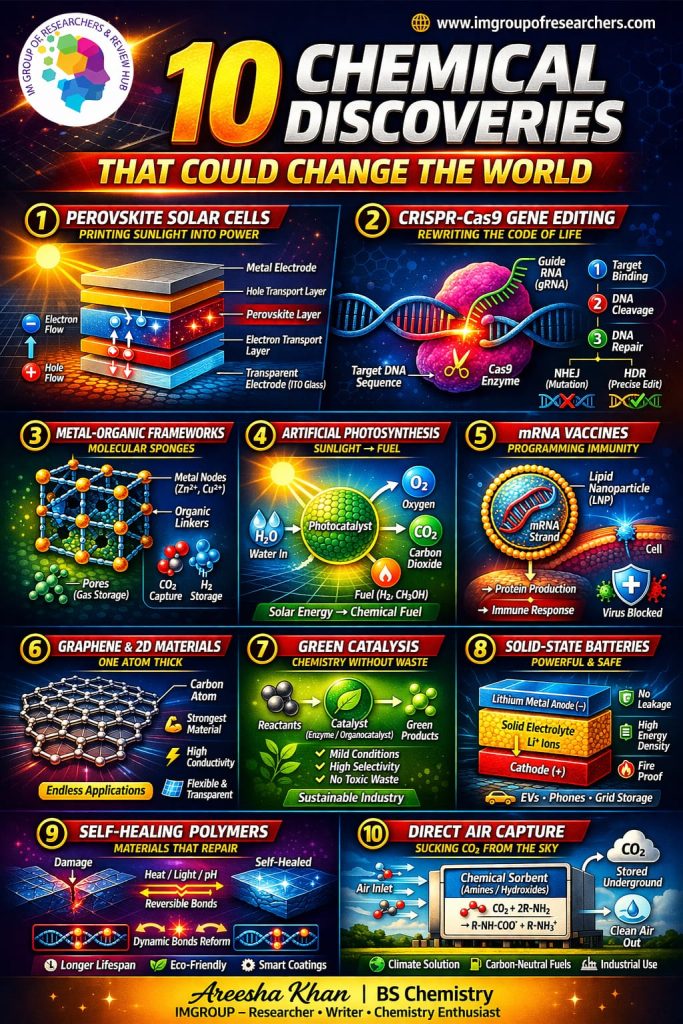
Imagine a world where sunlight not only powers your home but is printed onto flexible sheets like paper. At the same time, diseases are edited out of your DNA before they even begin, and materials repair themselves like living tissue.
Clearly, this is no longer science fiction. Instead, it represents the rapidly evolving frontier of modern chemistry.
Today, chemistry is no longer confined to test tubes and equations. Rather, it operates at the intersection of quantum mechanics, biology, and materials science. As a result, innovations in nanotechnology research and the future of medicine are transforming how we live and think about science.
If you are curious about how chemistry is evolving into intelligent nanosystems, you can explore our article on Can Nanotechnology Build Molecular Robots?
Let’s explore ten transformative discoveries shaping the future.
10 Chemical Discoveries Driving the Future of Chemistry
1. Perovskite Solar Cells in Sustainable Energy Chemistry
To begin with, perovskite materials are revolutionizing renewable energy through advanced materials design.
Chemical Composition and Process
Perovskites such as methylammonium lead trihalide (MAPbX₃) feature a hybrid organic inorganic lattice. When exposed to sunlight, electrons are excited and generate electricity. Moreover, their tunable bandgaps allow higher efficiency compared to traditional silicon cells.
Applications
- Low cost solar panels
- Flexible and wearable solar devices
- Transparent solar windows
- Portable energy systems
Why It Matters
Therefore, these materials can significantly reduce renewable energy costs and accelerate the transition toward clean energy.
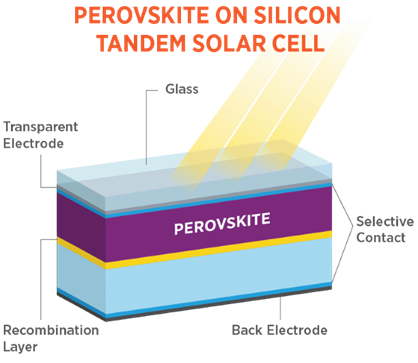
Learn more from the National Renewable Energy Laboratory
https://www.nrel.gov/pv/perovskite-solar-cells.html
2. CRISPR Gene Editing and the Future of Medicine
Next, CRISPR technology is transforming molecular biology and personalized healthcare.
Chemical Process
CRISPR Cas9 uses RNA guided nucleases to target DNA sequences. In addition, delivery systems such as lipid nanoparticles and MOFs improve efficiency and precision.
Applications
- Genetic disease treatment
- Cancer therapy
- Agricultural improvements
Why It Matters
As a result, it enables precise genetic modification and redefines modern medicine.
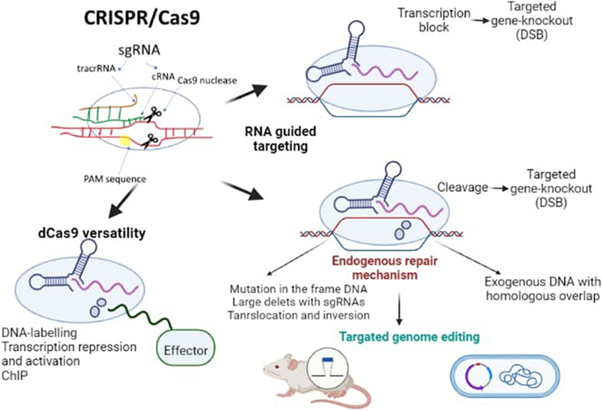
Explore more from the Broad Institute
https://www.broadinstitute.org/what-broad/areas-focus/project-spotlight/crispr
3. Metal Organic Frameworks in Nanotechnology Research
Similarly, MOFs are advanced porous materials that play a key role in nano-engineering and smart materials.
Chemical Composition
They consist of metal ions linked by organic ligands, forming highly porous structures with exceptional surface area. Because of this, they can selectively trap molecules.
Applications
- Carbon capture
- Hydrogen storage
- Drug delivery
- Catalysis
Why It Matters
Consequently, MOFs provide scalable solutions for energy and environmental challenges.
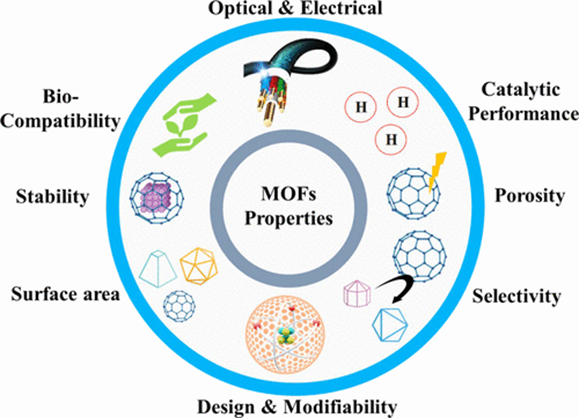
For deeper insight, read Invisible Architects How Metal Organic Frameworks Trap the Untrappable.
4. Artificial Photosynthesis for Clean Energy Innovation
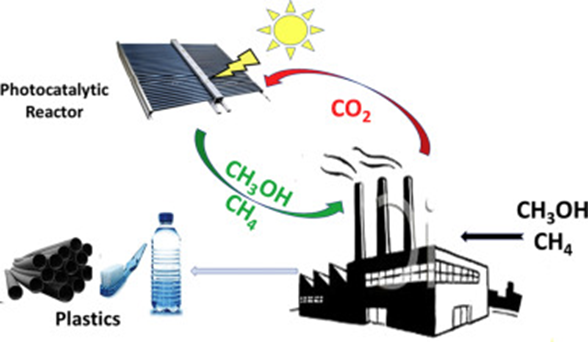
In addition, artificial photosynthesis mimics natural processes to generate clean fuel.
Chemical Process
Photocatalysts such as TiO₂ and Pt use sunlight to split water and reduce CO₂ into fuels like hydrogen and methanol. As a result, this process creates sustainable energy.
Applications
- Solar fuel production
- Sustainable energy systems
Why It Matters
Therefore, it offers a renewable alternative to fossil fuels.
Read more at Nature Energy
https://www.nature.com/subjects/artificial-photosynthesis
5. mRNA Technology in the Future of Medicine
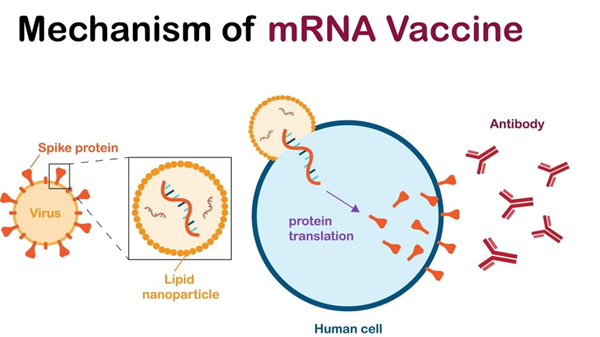
Meanwhile, mRNA based therapeutics represent a breakthrough in biotechnology.
Chemical Process
Synthetic mRNA is delivered using lipid nanoparticles. Once inside the cell, it instructs the production of proteins that trigger immune responses.
Applications
- Vaccines for infectious diseases
- Personalized cancer therapies
Why It Matters
Thus, it enables rapid and flexible medical solutions.
6. Graphene and 2D Materials in Nano Engineering
Likewise, graphene is one of the most promising materials in nanotechnology research.
Chemical Composition
It is a single layer of carbon atoms arranged in a hexagonal lattice. Because of its structure, it offers exceptional strength and conductivity.
Applications
- Electronics
- Chemical sensors
- Energy storage
- Smart materials
Why It Matters
As a result, it is driving innovation in nano engineering.
7. Green Catalysis and Sustainable Chemistry Innovation
At the same time, green catalysis focuses on environmentally friendly chemical processes.
Chemical Process
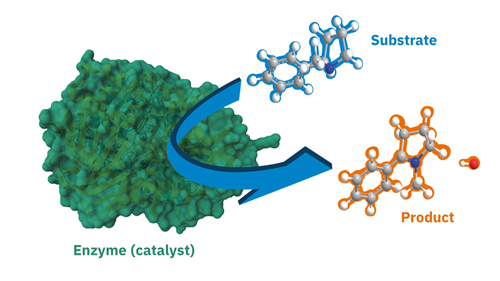
Enzymes and organocatalysts accelerate reactions under mild conditions. Therefore, they reduce both energy consumption and chemical waste.
Applications
- Pharmaceutical production
- Polymer synthesis
- Industrial chemistry
Why It Matters
Consequently, it supports sustainable manufacturing.
Learn more in How Biodegradable Plastics Are Made The Chemistry Behind Eco Friendly Polymers.
8. Solid State Batteries in Advanced Energy Storage
Furthermore, solid state batteries are redefining energy storage technologies.
Chemical Process
Solid electrolytes replace liquid ones, which improves safety and efficiency. In addition, they allow better ion transport.
Applications
- Electric vehicles
- Consumer electronics
- Grid storage
Why It Matters
Therefore, they provide safer and longer lasting energy storage.
Explore related innovations in Beyond Lithium The Battery Materials Quietly Rewriting Energy Storage.
9. Self Healing Polymers in Smart Materials Engineering
In contrast to traditional materials, self healing polymers can repair themselves.
Chemical Process
Dynamic covalent bonds allow materials to reform after damage. As a result, they regain their original properties.
Applications
- Coatings
- Electronics
- Infrastructure
- Wearables
Why It Matters
Thus, they extend material lifespan and reduce waste.
10. Direct Air Capture and Climate Chemistry Solutions
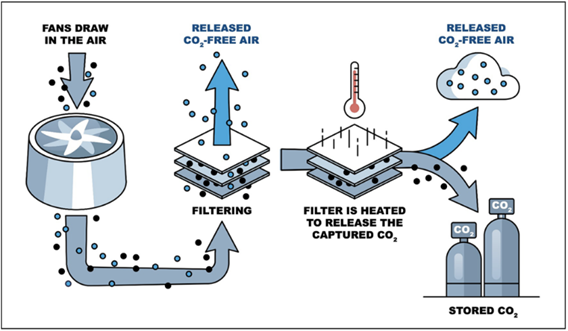
Finally, Direct Air Capture technologies remove CO₂ directly from the atmosphere.
Chemical Process
Chemical sorbents such as amines bind CO₂, allowing it to be captured and reused.
Applications
- Carbon capture
- Climate change mitigation
Why It Matters
Therefore, it plays a critical role in achieving net zero emissions.
For deeper understanding, read Direct Air Capture and Nano Adsorbents Advanced Materials for Sustainable Carbon Removal.
Explore more at the International Energy Agency
https://www.iea.org/reports/direct-air-capture
Conclusion
Chemistry at the Core of Future Innovation
These discoveries highlight how chemistry is shaping the future of humanity. From nanotechnology research and smart materials to breakthroughs in the future of medicine, the field continues to evolve rapidly.
The true impact of these innovations will depend on how effectively science, technology, and global collaboration come together. Chemistry is no longer just a discipline. It is a driving force behind the future.
References
Luo, B., et al. (2024). MXenes in perovskite solar cells Emerging applications and performance enhancements. Coatings.
Shah, S. A., et al. (2021). Application of MXene materials in perovskite solar cells. Nanomaterials.
Systematic review of MXene photocatalysts. (2025). Journal of Environmental Chemical Engineering.
Metal organic frameworks in CRISPR delivery systems. (2026). Acta Biomaterialia.
Graphene oxide for energy and electronic applications. (2023). npj Materials Sustainability.
Perovskite solar cells review Material advances and efficiencies. (2023). PMC NCBI.
Self healing polymer composites Advances and applications. (2024). Polymer Chemistry.
Editor: Ayesha Noor