

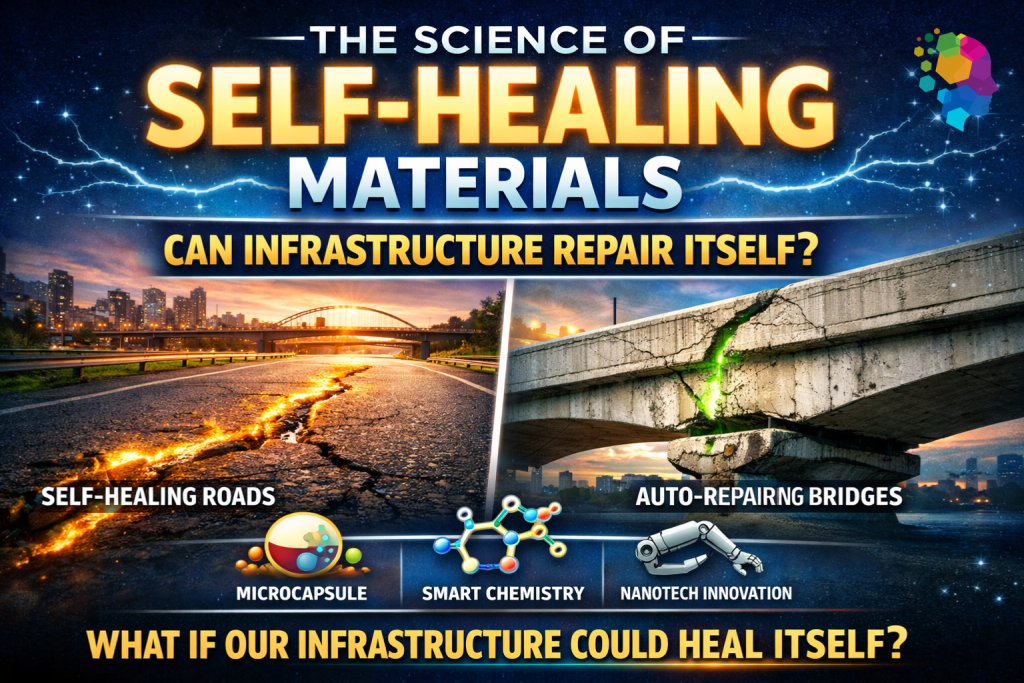
What if Our Infrastructure Could Heal Itself?
What if a cracked road could seal itself overnight? Or a bridge could repair internal damage without human intervention?
This idea may sound futuristic. However, thanks to advances in material science, self-healing materials are rapidly turning this vision into reality. These smart materials are designed to detect damage and repair it automatically, reducing maintenance costs and extending the lifespan of infrastructure.
As a result, industries like construction, transportation, and energy are beginning to explore how these materials can reshape the future.
Interestingly, many of these innovations are closely related to breakthroughs in advanced chemistry and future technologies.
What Are Self-Healing Materials?
Self-healing materials are engineered systems that can repair physical damage without external assistance. Much like human skin heals after a cut, these materials respond to cracks, scratches, or stress by restoring their original structure.
They are commonly found in:
- Concrete and construction materials
- Polymers and coatings
- Asphalt used in roads
At the core of these innovations lies
polymer chemistry, which enables materials to reform bonds and recover functionality after damage.
Moreover, similar material innovations are also driving molecular-scale engineering systems.
The Chemistry Behind Self-Healing Systems
So how do materials actually heal themselves?
There are several fascinating chemical mechanisms involved:
1. Microcapsule-Based Healing
Tiny capsules filled with healing agents are embedded within the material. When a crack forms, these capsules rupture and release chemicals that seal the damage.
2. Reversible Chemical Bonds
Some materials contain dynamic bonds that can break and reform. As a result, the material can naturally “reconnect” at the molecular level.
3. Shape-Memory Materials
These materials can return to their original shape when exposed to heat or light, effectively closing cracks or deformities.
Interestingly, these processes often rely on nanotechnology and smart material design, linking directly to broader innovations in advanced chemistry.
In addition, these smart systems often rely on nanotechnology and precision material design, which is also transforming next-generation material frameworks.
Types of Self-Healing Materials Used in Infrastructure
Self-Healing Concrete
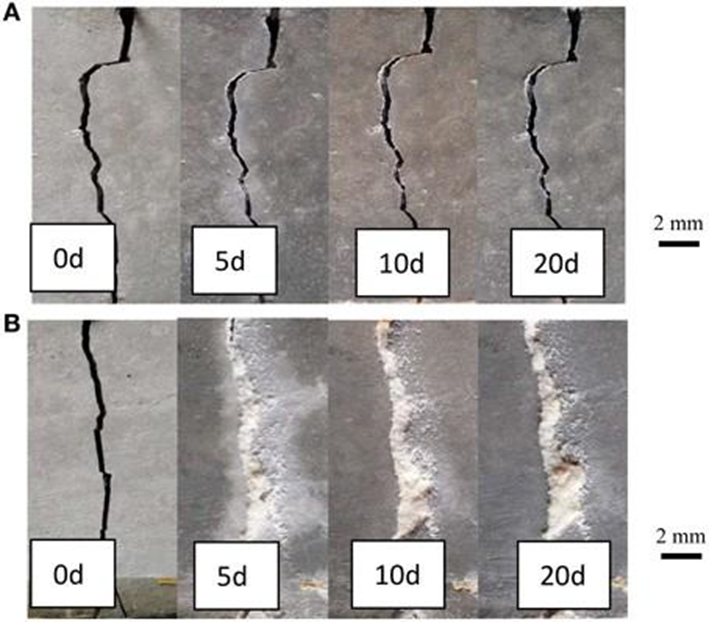
Concrete is one of the most widely used construction materials, yet it is prone to cracking. To solve this, researchers have developed concrete that contains bacteria or healing agents.
When water enters a crack, bacteria become active and produce limestone, effectively sealing the gap.
As a result, the structure regains strength and durability without manual repair.
Self-Healing Asphalt
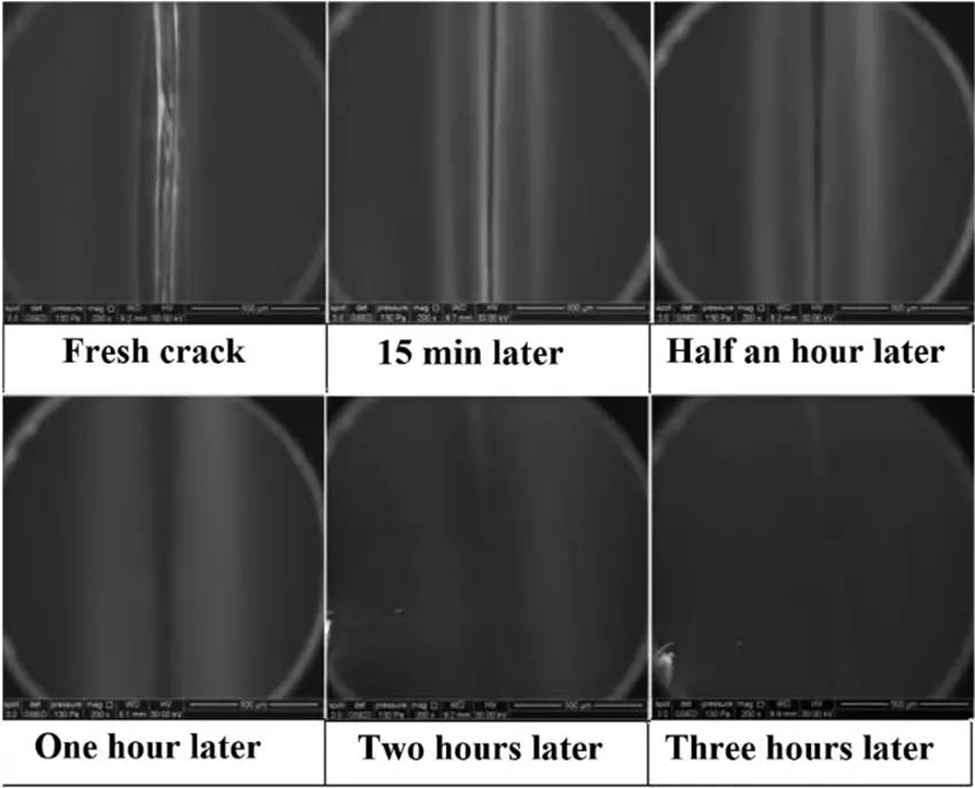
Roads suffer constant wear and tear. However, new asphalt technologies can repair cracks using induction heating or natural material flow.
This allows roads to:
- Heal microcracks
- Extend lifespan
- Reduce maintenance costs
In addition, it improves safety by preventing potholes.
Polymer-Based Coatings
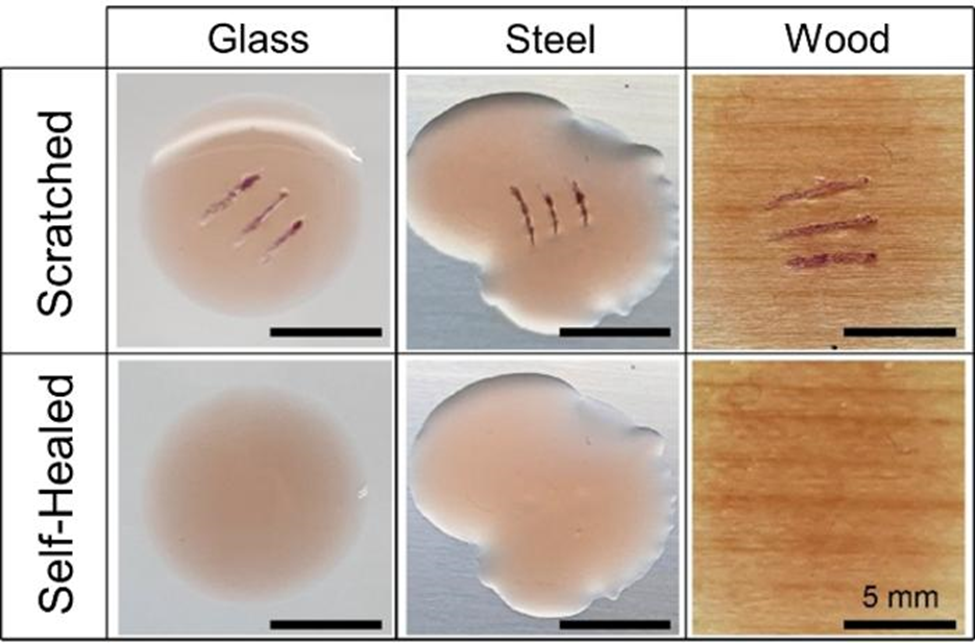
Self-healing polymers are widely used in coatings for buildings, pipelines, and electronics.
These materials can:
- Repair scratches automatically
- Prevent corrosion
- Enhance durability
Therefore, they are especially valuable in harsh environments like offshore structures and industrial plants.
Real-World Applications: Why This Matters
Self-healing materials are not just a laboratory concept; they are already being tested and applied in real-world scenarios.
For example:
- Bridges can repair internal cracks before they become dangerous
- Roads can last significantly longer with minimal maintenance
- Buildings can resist environmental damage more effectively
As a result, governments and industries could save billions in repair costs while improving safety and sustainability.
As a result, these innovations contribute to a future where waste is minimized and resources are used more efficiently.
Challenges and Limitations
Despite their potential, self-healing materials still face several challenges.
- High production costs
- Limited large-scale implementation
- Uncertainty about long-term performance
However, ongoing research continues to push boundaries, much like other emerging breakthroughs shaping the future of chemistry.
The Future of Self-Healing Infrastructure
Looking ahead, self-healing materials could become a cornerstone of smart and sustainable cities.
Future developments may include:
- Integration with nanotechnology for faster healing
- AI-driven monitoring systems
- Fully autonomous infrastructure systems
These advancements also complement innovations in synthetic systems and bio-inspired chemistry.
Conclusion
Self-healing materials represent a powerful shift in how we design and maintain infrastructure. Instead of constantly repairing damage, we are moving toward systems that can repair themselves automatically.
While challenges remain, the progress so far suggests that self-healing infrastructure is not just possible; it is inevitable.
And when that future arrives, the way we build and maintain our world will be transformed forever.
Editor: Ayesha Noor