

The Rapid Growth of Global Energy Storage
Energy storage technology is expanding at an extraordinary pace. In 2019, approximately 170 gigawatt hours of batteries were produced globally. By 2030, this number is expected to exceed 5000 gigawatt hours as the world transitions toward electrification and renewable energy systems.
Electric vehicles are becoming increasingly common, solar energy is powering homes and businesses, and even large transportation systems such as freight ships and aircraft are exploring electric propulsion. All of these innovations depend heavily on efficient battery technology.
However, behind this technological progress lies an important challenge. Nearly all modern energy storage systems rely on lithium based batteries. Smartphones, laptops, electric vehicles, and renewable energy storage systems are primarily powered by lithium ion batteries.
Despite their success, lithium resources are limited, unevenly distributed across the world, and environmentally demanding to extract. A large portion of global lithium production comes from a region in South America known as the Lithium Triangle, which includes Argentina, Bolivia, and Chile. Mining lithium in these areas requires large amounts of water and energy.
As a result, scientists and materials researchers are exploring new battery materials that could provide safer, cheaper, and more sustainable alternatives to lithium based energy storage systems.
Why the World Needs New Battery Materials
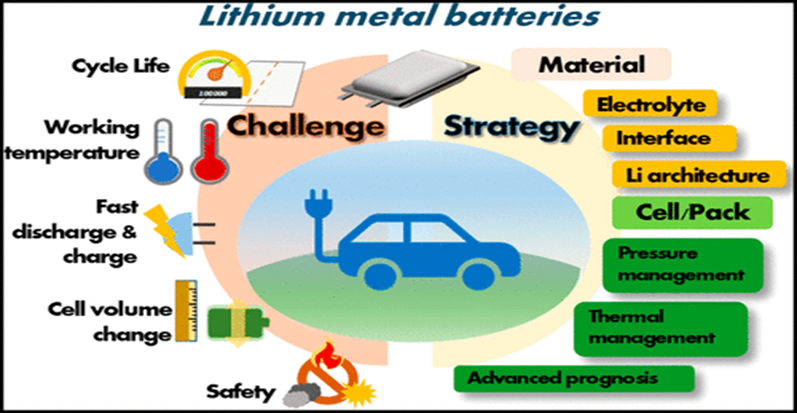
Lithium ion batteries have transformed modern electronics and transportation. However, they were never originally designed to power an entire global energy system. Several challenges are becoming increasingly visible as demand grows.
• Resource limitations due to concentrated lithium, nickel, and cobalt supplies
• Environmental impacts caused by intensive mining activities
• Safety concerns related to overheating and battery fires
• Rising costs due to increasing global demand for electric vehicles
To build a truly sustainable energy future, scientists are developing next generation battery materials that rely on abundant elements, safer chemistry, and improved performance. These innovations are quietly reshaping the future of energy storage.
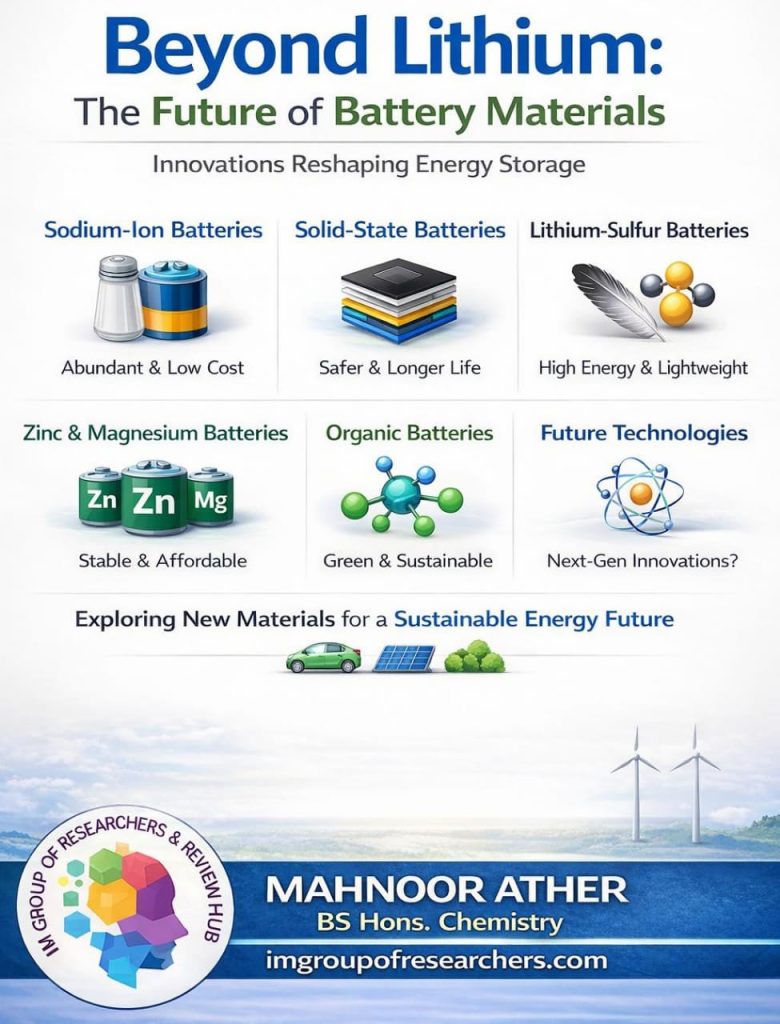
Sodium Batteries: Energy Storage from Salt
One of the most promising alternatives to lithium is sodium. Sodium is extremely abundant and can be found in many natural sources including sea water and common salt deposits. Unlike lithium, sodium is widely available and relatively inexpensive.
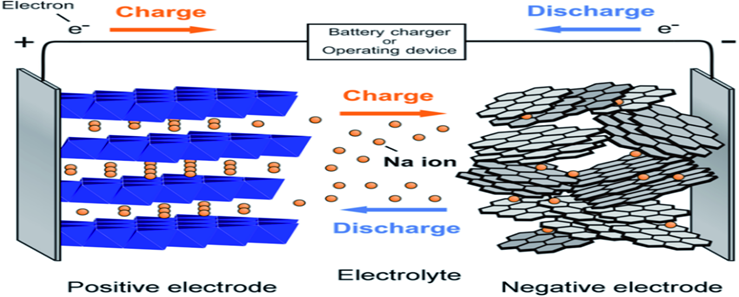
Sodium ion batteries operate using a mechanism similar to lithium ion batteries. During charging and discharging cycles, sodium ions move between two electrodes through an electrolyte.
Sodium batteries offer several important advantages.
• Abundant and low cost raw materials
• Reduced dependence on rare metals
• Better performance at lower temperatures
• More stable supply chains for large scale production
Several manufacturers began introducing sodium ion batteries for grid scale energy storage and affordable electric vehicles in 2023. Although their energy density is currently lower than lithium batteries, their lower cost makes them highly attractive for large energy storage systems supporting renewable power grids.
Solid State Batteries: A Safer Energy Storage Future
Another major innovation in battery technology is the development of solid state batteries.
Traditional lithium ion batteries use liquid electrolytes to transport ions between electrodes. These liquids are flammable and can cause safety risks if the battery is damaged or overheated.
Solid state batteries replace the liquid electrolyte with a solid material, often made from advanced ceramics or specialized polymers. This seemingly simple modification can dramatically improve battery safety and performance.
Solid state batteries offer several potential advantages.
• Higher energy density
• Faster charging capability
• Longer battery lifespan
• Significantly reduced fire risk
Because of these benefits, many researchers consider solid state technology to be one of the most promising directions for next generation battery development. If successfully commercialized, solid state batteries could allow electric vehicles to travel 800 to 1000 kilometers on a single charge.
Lithium Sulfur Batteries: Lightweight Energy Storage
Sulfur is another element attracting growing interest in advanced battery research. Sulfur is abundant, inexpensive, and widely available as a by product of petroleum refining.
When combined with lithium in advanced battery systems, sulfur has the potential to deliver energy densities up to five times greater than conventional lithium ion batteries.
Because of their lightweight properties and high energy capacity, lithium sulfur batteries are particularly attractive for applications where weight is critical.
• Electric aviation systems
• Long distance drones
• Space exploration technologies
However, sulfur batteries face technical challenges. During repeated charge cycles, sulfur compounds can dissolve into the electrolyte, which reduces battery lifespan.
To overcome this issue, researchers are developing nanostructured carbon materials and protective barrier layers that help stabilize sulfur within the battery structure.
Zinc and Magnesium Batteries: Multivalent Energy Storage
Some scientists are exploring a completely different battery concept based on multivalent ions.
Lithium ions carry a single positive charge. In contrast, metals such as magnesium and zinc carry two positive charges per ion. This means they could theoretically store more energy within the same battery volume.
Magnesium batteries are particularly attractive because magnesium metal is more stable and less likely to form dangerous dendrites that can cause short circuits.
These battery systems offer several advantages.
• Low cost materials
• Higher operational safety
• Non toxic components
• Abundant natural availability
Zinc based batteries are also gaining attention for grid scale energy storage applications that support renewable electricity systems.
Organic Batteries: Energy Storage from Carbon Based Molecules
One of the most innovative directions in battery research involves organic battery materials. Instead of relying on metals, these systems use carbon based organic molecules as electrode materials.
Many of these compounds can be synthesized from renewable resources such as plant biomass. This opens the possibility of producing batteries using sustainable chemical feedstocks.
Organic batteries may offer several advantages.
• Environmentally friendly materials
• Lightweight and flexible structures
• Potentially easier recycling processes
• Reduced dependence on scarce metals
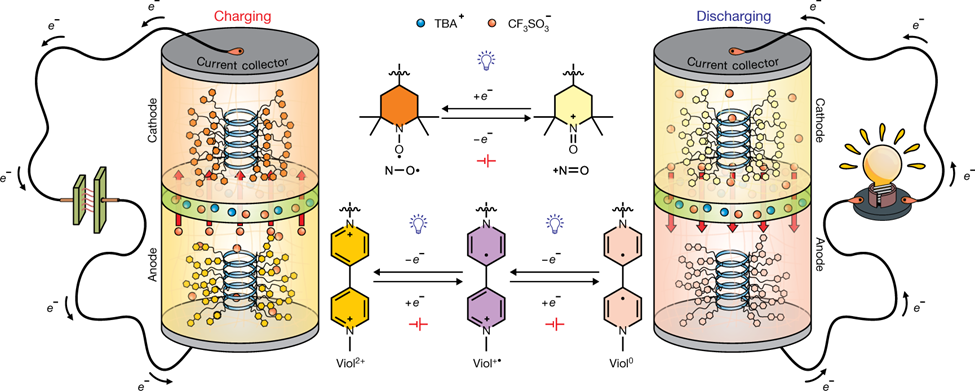
Some experimental organic battery systems use redox active molecules that store energy through reversible chemical reactions. Although this technology is still in early development, it could open new opportunities for sustainable energy storage systems.
Conclusion
The rapid expansion of renewable energy systems, electric transportation, and digital technology is creating an unprecedented demand for advanced energy storage solutions. While lithium ion batteries have dominated the market for decades, their limitations in terms of resource availability, environmental impact, and safety are driving the search for alternative battery materials.
Emerging technologies such as sodium ion batteries, solid state batteries, lithium sulfur systems, multivalent metal batteries, and organic energy storage materials are redefining how scientists approach battery design. These innovations aim to create energy storage technologies that are more sustainable, safer, and based on widely available materials.
As research continues to advance, the future of energy storage may rely on a diverse range of battery chemistries rather than a single dominant material. The quiet revolution happening in battery materials science today may ultimately shape the energy systems that power the world for decades to come.
References
Palacín, M. R., & de Guibert, A. (2016). Why do batteries fail? Science, 351(6273), 1253292.
Chayambuka, K., Mulder, G., Danilov, D. L., & Notten, P. H. L. (2018). Sodium-ion battery materials and electrochemical properties: A review. Advanced Energy Materials, 8(16), 1800079.
Li, B., Xu, H., Ma, Y., & Yang, S. (2019). Harnessing the unique properties of 2D materials for advanced lithium–sulfur batteries. Nanoscale Horizons, 4(1), 77–98.
Xiao, B., Wu, G., Wang, T., Wei, Z., Sui, Y., Shen, B., & Dai, K. (2021). High entropy oxides (FeNiCrMnX)₃O₄ (X = Zn, Mg) as anode materials for lithium-ion batteries. Ceramics International, 47(24), 33972–33977.
Chen, Y., & Wang, C. (2020). Designing high-performance organic batteries. Accounts of Chemical Research, 53(11), 2636–2647.
Editor: Ayesha Noor