
7th Int. Conference (ICETNAS-2026)

7th International Conference on Emerging Trends in Natural & Applied Sciences (ICETNAS‑2026)

imgroupofresearchers.com logo

IM Group of Researchers Presents the 7th International Conference on Emerging Trends in Natural & Applied Sciences (ICETNAS‑2026)

Time Reference: Pakistan Standard Time (PKT, UTC+5)

Day 1 — Saturday, 17 October 2026

Conference Opening and Scientific Sessions

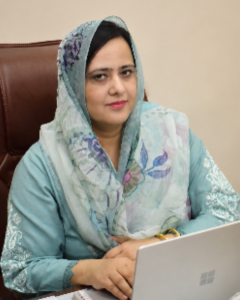
Host: Dr. Syeda Naqshe Zuhra
Lecture No.Pakistan Time (PKT)Invited Speaker's Local TimeInvited Speaker's Full NameAffiliation / CountryDuration
1 12:00–12:15 PM 10:00–10:15 AM Dr. Muhammad HumayunPatron-in-ChiefWelcome Speech Prince Sultan University, Saudi Arabia 15 min
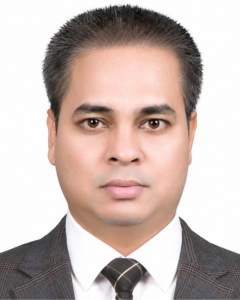
2 12:15–12:35 PM 12:15–12:35 PM Dr. Syed Shoaib Ahmad Shah NUST, Pakistan 20 min
3 12:35–12:55 PM 3:35–3:55 PM Dr. M. Asim Khan Linyi University,China 20 min
4 12:55–1:15 PM 12:55–1:15 PM Prof. Dr. Nazish Mazhar Ali Government College University, Lahore, Pakistan 20 min
5 1:15–1:35 PM 11:15–11:35 AM Dr. Sajjad Ali Prince Sultan University, Saudi Arabia 20 min
6 1:35–1:55 PM 2:05–2:25 PM Prof. Dr. Mohan L. Verma Shri Shankaracharya Technical Campus, India 20 min
7 1:55–2:15 PM 1:55–2:15 PM Dr. Asad Mumtaz National University of Sciences and Technology (NUST), Pakistan 20 min
8 2:15–2:35 PM 5:15–5:35 PM Dr. Wang Aiwu Shenzhen Technology University, China 20 min
9 2:35–2:55 PM 2:35–2:55 PM Dr. Kubra Mehmood Planet BioLabs, Pakistan 20 min
Day 1 closing time: 2:55 PM PKT Total scheduled time: 2 hours 55 minutes, including the welcome speech

Day 2 — Sunday, 18 October 2026

Scientific Sessions

Host: Mr. Shakeel
Lecture No.Pakistan Time (PKT)Invited Speaker's Local TimeInvited Speaker's Full NameAffiliation / CountryDuration
1 12:00–12:20 PM 12:00–12:20 PM Prof. Dr. Muhammad Nasimullah Qureshi University of Swabi, Pakistan 20 min
2 12:20–12:40 PM 6:20–6:40 PM Dr. Md. Habibur Rahman Australia 20 min
3 12:40–1:00 PM 4:40–5:00 PM Dr. Habib Ullah Chungnam National University, South Korea 20 min
4 1:00–1:20 PM 9:00–9:20 AM Dr. Nourelhouda Bounedjar University of El Oued, Algeria 20 min
5 1:20–1:40 PM 1:20–1:40 PM Dr. Iram Saba Government College Women University Sialkot, Pakistan 20 min
6 1:40–2:00 PM 10:40–11:00 AM Dr. Abdisa Sisay Mekonnin University of Málaga, Spain 20 min
7 2:00–2:20 PM 2:00–2:20 PM Dr. Shamim Akhtar RWP Women University, Pakistan 20 min

Day 2 — Sunday, 18 October 2026

Oral Presentations by Presenters

Session starts after the speakers' sessions · 2:20 PM PKT
Presenter No. Pakistan Time (PKT) Presenter's Local Time Presenter's Full Name Affiliation / Country Duration
1 2:20–2:30 PM 2:20–2:30 PM Muhammad Ghufran Bacha Khan University Charsadda (BKUC), Pakistan 10 min
2 2:30–2:40 PM 2:30–2:40 PM Muhammad Naveed Abdul Wali Khan University Mardan, KPK, Pakistan 10 min
3 2:40–2:50 PM 2:40–2:50 PM Muhammad Dawood Abdul Wali Khan University Mardan, KPK, Pakistan 10 min
4 2:50–3:00 PM 12:50–1:00 PM Saqib Ali FTMC, Vilnius, Lithuania 10 min
5 3:00–3:10 PM 12:00–12:10 PM Ashfaq Ahmad Medical University of Gdańsk, Poland 10 min
6 3:10–3:20 PM 3:10–3:20 PM Madiha Government Islamia College for Women, Pakistan 10 min
7 3:20–3:30 PM 6:20–6:30 PM Muhammad Mahran East China University of Technology, Nanchang, China 10 min
8 3:30–3:40 PM 12:30–12:40 PM Azmat Wali Medical University of Gdańsk, Poland 10 min
9 3:40–3:50 PM 3:40–3:50 PM Tanvir Khan Abdul Wali Khan University Mardan, Pakistan 10 min
10 3:50–4:00 PM 3:50–4:00 PM Zeeshan Zubair Government College University Faisalabad, Pakistan 10 min
Presenters' session closing time: 4:00 PM PKT Total scheduled time: 1 hour 40 minutes (10 presenters × 10 min)

Theme: Innovating Science for Sustainable Future

 17–18 October 2026

 Virtual Conference

Hosted by

IM Group of Researchers 

On behalf of the organizing committee of the 7th International Conference on Emerging Trends in Natural & Applied Sciences (ICETNAS-2026), we are honored to invite you to join us for our annual innovation conference, which brings together global scientific leaders to explore the most urgent issues shaping our future. 

Under this theme, we aim to bring together leading researchers, scientists, engineers, educators and industry practitioners from across the world to:

  • Share the latest advances, innovations and breakthroughs in natural, applied and interdisciplinary sciences.
  • Foster collaboration and networking across disciplines, institutions and countries.
  • Explore the contributions of science and technology toward sustainable development, environmental remediation, energy security and societal welfare.

Conference Objective

  • Provide an international, multidisciplinary platform for presenting research in natural and applied sciences.
  • Promote collaboration between academia, industry, and policy makers to accelerate sustainable innovation.
  • Highlight research contributions that address chemistry, climate resilience, energy transition, environmental remediation, and public health.
  • Support early-career researchers and students through mentoring, presentation opportunities, and networking.
  • Disseminate high-quality work via conference proceedings and selected journal publications.

Conference Tracks & Topics

  • Natural Sciences: Biology (Biotechnology, Genetics, Microbiology, Ecology), Chemistry (Materials, Analytical, Environmental Chemistry), Physics (Condensed Matter, Theoretical & Experimental Physics), Earth & Environmental Sciences (Climate, Geology, Conservation).
  • Applied & Interdisciplinary: Nanotechnology, Renewable Energy, Energy Storage, Environmental Remediation, Sensors, Computational Methods, Space Science.

Expected Outcomes

  • Peer‑reviewed proceedings and compilation of abstracts.
  • New interdisciplinary collaborations and research partnerships.
  • Strengthened mentoring network for early career researchers.
  • Policy recommendations aligning science with sustainable development goals.

Organizing Committee & Contact

IM Group of Researchers

Conference secretariat/submissions: izaz@henu.edu.cn

For sponsorship opportunities, media enquiries, or technical support, please contact the secretariat at the same email address.

ICETNAS‑2026 — 7th International Conference on Emerging Trends in Natural & Applied Sciences

© 2026 IM Group of Researchers • Virtual Conference • All rights reserved.

Registration Details

                     Scroll down the page below to find the Registration Link

Participation Certificate

All participants will receive a participation certificate, which will be linked to our website and feature a unique authentication code.

Register for the Conference

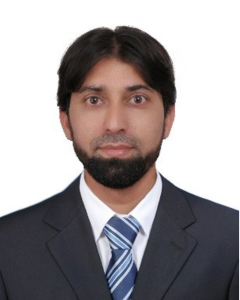
Dr. Muhammad Humayun

Dr. Muhammad Humayun

Dr. Muhammad Humayun is working as an Assistant Professor at the Energy, Water and Environment Lab (EWE Lab), Prince Sultan University, Riyadh, Saudi Arabia. He received his Ph.D. in Physical Chemistry from Heilongjiang University, China, in 2017 and subsequently completed 02 postdoctoral research fellowships at the Wuhan National Laboratory for Optoelectronics, Huazhong University of Science and Technology, China (2017–2023). His research focuses on the design and engineering of advanced functional nanomaterials for sustainable energy and environmental applications, including photocatalytic and photoelectrochemical hydrogen production, water electrolysis, CO2 conversion, wastewater remediation, single-atom catalysis, and metal–organic framework (MOF)-based catalysts.

Dr. Humayun has published more than 235+ peer-reviewed SCI-indexed articles, accumulating over 14440 citations with an h-index of 67. He has been recognized among the World’s Top 2% Scientists (Stanford University/Elsevier) for consecutive 04 years. His research has attracted significant international recognition, including highly cited publications, invited keynote lectures, and leadership in multidisciplinary projects on green hydrogen production aligned with Saudi Vision 2030. He is actively engaged in developing next-generation photocatalysts and electrocatalysts for efficient, low-cost, and sustainable hydrogen generation.

Patron In Chief

Prince Sultan University, Saudi Arabia

Izaz 7

Izaz Ul Islam

Conference Chair & Founder IM Group of Researchers

Pakistan

Founder & Principal Organizer, IM Group of Researchers & Review Hub

PhD Scholar, College of Chemistry and Molecular Sciences, Henan University Chian.

Izaz Ul Islam is a researcher and academic leader specializing in Analytical Chemistry, sustainable materials, wastewater treatment, photocatalysis, hydrogen production, CO₂ reduction, and advanced adsorbents. He holds an M.Phil. in Chemistry (Analytical Chemistry) from Abdul Wali Khan University, Mardan, Pakistan, and has published 22 research articles in international SCIE-indexed journals. His research portfolio has a cumulative impact factor exceeding 100, with a Google Scholar h-index of 10.

As the Founder of IM Group of Researchers & Review Hub, he has organized numerous international conferences, webinars, and research-development programs. As Principal Organizer of ICETNAS-2026, he aims to foster international scientific collaboration, knowledge exchange, and interdisciplinary research toward sustainable scientific and technological development.

Conference Organizers

Dr. Sara Janiad

Dr. Sara Janiad

Conference Organizer

Dr. Sara Janiad, managing director of IM Group of Researchers, is working as a Lecturer in the Department of Microbiology and Molecular Genetics, The Women University Multan, Pakistan. She has strong information in Microbiology techniques related to the selection and screening of microbes including bacteria, cyanobacteria, and microalgae, sensitivity testing, vibrant in the field of biofuel production (Biodiesel, bio-hydrogen, bioethanol) from cyanobacteria and microalgae, experience in the field of Bioinformatics and Bio-statistical analysis. She has completed her PhD in Microbiology and Molecular Genetics, from The Institute of Microbiology and Molecular Genetics, University of the Punjab. She worked as a guest researcher at the Angstrom Laboratory, Uppsala University, Sweden. She has been a core member of SciFest-2017- Uppsala University Sweden. She received the Best Oral Presentation Award at the 11th Biennial Conference on Molecular Biosciences- Challenges and Opportunities (2013). She is working as an Associate and Managing Editor of The Journal of Microbiology and Molecular Genetics; Assistant Director of QEC (Quality Enhancement Cell), and Assistant Director of ORIC (Office of Research, Innovation and Commercialization), The Women University Multan, Pakistan.

Atir Naeem Qurashi - 7

Atir Naeem Qurashi

Conference Organizer

Atir Naeem Qurashi is Team Lead at IM Group of Researchers, where he leads digital content strategy and SEO for the organization’s research platforms. He holds an M.Phil. in Chemistry (Physical Chemistry and Materials Science) from The Islamia University of Bahawalpur, with research focused on polyethylene glycol coated gold nanoparticles as colorimetric sensors for detecting drugs in pharmaceutical and environmental samples. Before moving into education and content development, he worked in quality assurance and quality control roles at Pfizer Pakistan, Abbott Laboratories, and Herbion International. He currently serves as a chemistry educator with the School Education Department, Government of Punjab, and as a Visiting Lecturer in BS Chemistry at KIPS College Khanpur. He is also the founder of UOCS.org and The InfoChemist.com, two platforms dedicated to chemistry reference content and science communication, and has authored peer reviewed research published in international journals.

Faizan Waseem Butt

Faizan Waseem

Conference Organizer

Mr. Faizan Waseem Butt is the Co-founder and Team Leader of IM Group of Researchers. He completed his M.Phil. from GCU, Lahore. Currently, he is working as a lecturer in HED, Punjab. Mr. Faizan is known for his active and devoted participation within the IM Group of Researchers. He has been nominated for the Best Author Award by the IM Group of Researchers.

Aqsa Iqbal

Conference Organizer

Ms. Aqsa Iqbal, Assistant Director of IM Group of Researchers, has completed her M.Sc. in analytical chemistry from the School of Chemistry, University of the Punjab, Lahore and her M.Phil. in chemistry from the University of Okara. Her research interests lie in the development of novel treatment methods and technologies for effectively removing pollutants and contaminants from wastewater. Her publication areas include nanohybrid batteries, MXenes in energy storage applications, nanosensors for environmental samples, polymers recycling, organic contaminants in food and wastewater treatment.  She has the honor of developing website for this organization. Currently, she is serving as lecturer chemistry in University of Okara.

Dr. Naqshe Zuhra-7

Dr. Naqshe Zuhra

Conference Organizer

Dr. Naqshe Zuhra is an environmental scientist specializing in nitrogen cycling, soil health, and greenhouse gas emissions in agricultural systems. She completed her PhD in Environmental Sciences at the Institute of Soil and Environmental Sciences, University of Agriculture Faisalabad, where her research traced nitrogen loss pathways in manure-amended cropping systems through farm surveys and laboratory, greenhouse, and field-scale trials.
She contributed to data curation, formal analysis, and original draft preparation for “AR6-Harmonized Estimation and Crop-Specific Distribution of Nitrous Oxide Emissions from Agricultural Soils in Pakistan” (Maqsood, Zuhra, et al., 2026, Nitrogen), carried out under the USDA-supported Fertilize Right Pakistan project. She has authored 8 peer-reviewed journal articles and 11 book chapters overall.
Her research has taken her across continents. She was a Visiting Researcher at TH Köln University of Applied Sciences, Germany, contributing to her MSc thesis on renewable bioenergy from agricultural resources, and later returned to Germany on a DAAD-funded fellowship for an advanced greenhouse gas measurement summer school at Geisenheim University. She represented Pakistan at the World Bank Youth Summit in Washington, D.C., through competitive international selection, and presented her doctoral research at the UKRI South Asian Nitrogen Hub workshop in the Maldives to a multi-country research team. Her training portfolio also includes the World Bank Environmental & Social Framework training and an APSIM biophysical modelling workshop.
Beyond her research, Dr. Zuhra serves as an Executive Board Member of the IM Group of Researchers & Review Hub, where she has helped organize and host numerous international conferences and webinars — experience she brings directly to her role hosting conference proceedings.

Fahad Azeem

Fahad Azeem

Conference Organizer

Fahad Azeem is a Member of the Conference Organizing Committee with Academic background in Agriculture‑Forestry and Forest Ecology
– Education
Agriculture‑Forestry, University of Sargodha College of Agriculture (2022)
Ecology (in progress), School of Geography and Environmental Science, Henan University, China

– Research Area
Soil ecology in temperate forests, focusing on nutrient return and decomposition rate of fallen leaves in the Jigongshan (JGS) region, Henan Province, China.

Muhammad Shakeel Khan

Muhammad Shakeel Khan

Conference Host

Muhammad Shakeel Khan is a plant ecologist and researcher with an MPhil in Plant Sciences from Quaid-i-Azam University, Islamabad. He has contributed to international scientific journals through research on biodiversity, plant ecology, conservation, and climate change.

Alongside his academic career, Khan has actively participated in academic and professional events as a stage secretary, host, and moderator, including events organized by the Pakistan Academy of Sciences and international conferences. He has also been involved in leadership, public speaking, event organization, and community initiatives.

With strong communication, presentation, coordination, and interpersonal skills, he is passionate about creating engaging and well-organized events and facilitating meaningful interaction among researchers, academics, and participants.

Conference Speakers

Dr. Sajjad Ali

Dr. Sajjad Ali

Keynote Speaker

Prince Sultan University, Saudi Arabia

Dr. Sajjad Ali is currently an Assistant Professor at the Energy, Water & Environment Lab, Prince Sultan University, Riyadh, Saudi Arabia. In 2019, he received his PhD in Materials Physics from the University of Chinese Academy of Sciences, China. From 2019 to 2022, he worked as a Postdoctoral Fellow at the Southern University of Science and Technology, Shenzhen, China. In 2022, he joined the University of Electronic Science and Technology of China as a Postdoctoral Fellow. Dr. Sajjad has over 150 publications in well-reputed peer-reviewed international journals such as, Nat. Materials, Nat. Communication, Adv. Materials, ACS Nano, JACS and EES with citations over 6500 (h-index 47). He has been awarded various national and international honors and awards. He is currently a regular reviewer for over 40 journals from Springer Nature, ACS, Elsevier, RSC, and Wiley. His research interests focus on understanding the structure, electronic, magnetic, and catalytic properties of 1D, 2D, and 3D materials  using density functional theory (DFT) simulations for energy storage, batteries, CO2 conversion to valuable products, photocatalysis, and electrochemical reactions such as ORR, OER, and HER.

Presentation Title


Defect and Doping Engineering in Catalysis

DFT and experimental approach

Abstract

Defect and doping engineering are powerful strategies for tuning the electronic structures and catalytic activities of semiconductor materials. Combining density functional theory (DFT) calculations with experimental synthesis, this work investigates the synergistic impact of spatial dopant control and vacancy generation on charge transfer dynamics and surface reactivity. Utilizing zinc sulfide (ZnS) as a model platform, gradient copper (Cu+) substitution is integrated alongside surface sulfur vacancies (Vs). DFT models demonstrate that gradient doping significantly reduces formation energy, narrows the bandgap, and creates favorable intermediate energy states, while anionic defects introduce coordination-unsaturated active sites that trap photogenerated electrons. Experimentally, EPR and electron microscopy confirm the existence of these co-engineered sites, which suppress non-radiative recombination and accelerate bulk-to-surface carrier migration. This dual computational and experimental approach establishes clear electronic structure-activity relationships, providing a practical framework for designing high-performance, defect-engineered catalysts.

Dr. Md. Habibur Rahman-7

Dr. Md. Habibur Rahman

Keynote Speaker

Australia

Dr. Md. Habibur Rahman is an internationally recognized medical scientist, registered pharmacist, and translational neuroscience researcher with multidisciplinary expertise spanning neuroscience, neuropharmacology, molecular biology, oxidative stress, neuroinflammation, biomarker discovery, and therapeutic development. He holds a Ph.D. in Medical Science and has established a strong research profile at the interface of molecular mechanisms, disease biology, pharmacological intervention, and clinical translation, with his primary research focused on dementia and neurodegenerative diseases, particularly Alzheimer’s disease, and the discovery of clinically relevant biomarkers, molecular targets, and precision diagnostic and therapeutic strategies. His extensive expertise encompasses gene-expression analysis, redox biology, neuroinflammatory signaling, molecular and cellular mechanisms of neurodegeneration, experimental pharmacology, and translational therapeutics, enabling him to bridge fundamental biomedical discoveries with clinically meaningful innovations. Dr. Rahman has received international recognition, including being ranked among the top 2% of scientists worldwide in Stanford University’s citation-based global ranking, reflecting the impact and international visibility of his scientific contributions. He is an active scientific leader, invited speaker, peer reviewer, and international collaborator, regularly contributing to global conferences, academic forums, multidisciplinary research initiatives, and the peer-review process for international scientific journals. His long-term research vision is to advance precision medicine in neurological disease through innovative biomarker discovery, therapeutic target identification, and the translation of molecular neuroscience into clinically actionable diagnostic and treatment strategies. 

Dr Mohan L Verma

Dr Mohan L Verma

Guest Speaker

 Shri Shankaracharya Technical Campus,  India

Professor and Head Applied Physics at Shri Shankaracharya Technical Campus, Bhilai, Chhattisgarh, India

With over 25+ years of academic and research excellence, Professor Verma is a globally recognized expert in Density Functional Theory (DFT), nanoionics, quantum transport, and energy materials modeling . His scholarly contributions include 90+ peer-reviewed international publications in reputed journals such as Chemical Physics Letters, Materials Chemistry and Physics, Journal of Electronic Materials, and Electrochimica Acta . He has also published  over  20+ book chapters and 30+ conference papers.

He is the founder of the Computational Nanoionics Research Lab (CNIRL), one of central India’s pioneering parallel computing facilities dedicated to first-principles materials research . Under his mentorship, numerous PhD scholars have successfully completed impactful research spanning computational and experimental domains .

Professor Verma’s research spans advanced topics including solid-state batteries, supercapacitors, optoelectronic nanomaterials, biosensor devices, and low-dimensional quantum systems, combining rigorous theoretical frameworks with practical technological relevance.. He actively collaborates with international research groups, including Michigan Technological University (USA), contributing to global scientific advancement.

Beyond research, Professor Verma has made a remarkable global academic impact by training more than 750 scholars and faculty members worldwide through specialized workshops, faculty development programs, international webinars, and structured courses on SIESTA-based DFT modeling. His hands-on training initiatives have significantly contributed to building computational materials research capacity across institutions.

His research bridges fundamental quantum theory and real-world device applications, with contributions in solid-state batteries, supercapacitors, optoelectronic nanomaterials, biosensors, and low-dimensional materials systems . A recipient of the Young Scientist Award, Professor Verma continues to inspire innovation through research leadership, international collaborations, and scientific mentorship.

 How AI Helps in Computational Materials Research?

Dr Mohan L Verma

Professor and Head

Applied Physics at Shri Shankaracharya Technical Campus,

Bhilai, Chhattisgarh, India .

Artificial Intelligence (AI) and Machine Learning (ML) are rapidly transforming computational materials research by enabling faster materials discovery, property prediction, and optimization. Conventional first-principles methods such as Density Functional Theory (DFT) provide reliable insights into structural, electronic, magnetic, optical, and catalytic properties, but their computational cost limits the exploration of large chemical and structural spaces. The objective of this presentation is to demonstrate how AI can be effectively integrated with DFT-based computational workflows to accelerate materials discovery, reduce computational effort, and identify promising materials for targeted applications. The presentation will discuss AI-assisted high-throughput screening, defect and dopant optimization, surface and adsorption studies, catalytic materials discovery, active learning, and machine-learning interatomic potentials. Particular emphasis will be placed on integrating AI with computational platforms such as SIESTA for automated calculations, intelligent data analysis, and iterative materials optimization. The presentation will conclude by highlighting opportunities for AI-driven and increasingly autonomous computational materials research.

Dr. Muhammad Asim Khan

Dr. Muhammad Asim Khan

Keynote Speaker

             Linyi University,               China

Dr. Muhammad Asim Khan is an Associate Professor of Analytical and Materials Chemistry at Linyi University, China. He earned his PhD from Nanjing University of Science and Technology (2015–2019) and holds MS and M.Sc. degrees from Government College University Lahore, Pakistan. His research spans analytical, materials, pharmaceutical, and computational chemistry, focusing on photocatalysis, pollutant adsorption, and drug discovery. He has authored 73 SCI publications with 430.6 total impact factor and over 4,000 citations (H-Index 32). He serves as Co-Editor of Integrative and Complementary Medicine and reviews for leading journals.

Dr. Nourelhouda Bounedjar

Dr. Nourelhouda Bounedjar

Guest Speaker

 University of El Oued, Algeria

Dr. Nourelhouda Bounedjar is a researcher in Materials Chemistry at the Renewable Energy Development Unit in Arid Zones (UDERZA), University of El Oued, Algeria. Her research focuses on materials chemistry, nanomaterials, electrochemistry, corrosion inhibition, environmental remediation, and sustainable applications of metal oxide nanoparticles. Her doctoral research focuses on the synthesis, characterization, and electrochemical investigation of metal oxide nanoparticles, with particular interest in zinc oxide (ZnO)-based nanomaterials. Her research activities include the sustainable synthesis of nanomaterials using non-thermal plasma and green synthesis approaches and their applications in corrosion protection, photocatalysis, antibacterial systems, wastewater treatment, and environmental remediation. She has undertaken an international scientific research stay at Prince Sultan University, Riyadh, Saudi Arabia, and has contributed to the supervision of undergraduate and master’s research projects in nanomaterials, corrosion, and green chemistry. Dr. Bounedjar has published research in international scientific journals and has contributed to several innovative research projects and registered patents involving nanomaterials and their sustainable applications.

Dr. Habib Ullah-

Dr. Habib Ullah

Guest Speaker

Chungnam National University, Daejeon, South Korea

Dr. Habib Ullah is a Research Professor at the Research Institute of Nano Science and Engineering, Department of Materials Science and Engineering, Chungnam National University, South Korea. He earned his Ph.D. in Materials Science (2020) from Wuhan University of Technology, China, under Prof. Francis Verpoort, focusing on homogeneous catalysts for CO₂ fixation. His current research focuses on COF-, MOF-, and POP-supported single-atom catalysts for electro-, photo-, and thermo-catalysis in energy and environmental applications, including CO₂ capture, conversion, and precious metal recovery. He has authored 25+ research papers and serves as an editorial board member.

Presentation Title:
COF/MOF-Supported Single-Atom Catalysts for CO₂ Capture & Conversion: From Molecular Design to Energy & Environmental Applications

Dr Nazish

Prof. Dr. Nazish Mazhar Ali

Guest Speaker

Govt. College University, Lahore, Pakistan

Prof. Dr. Nazish Mazhar Ali

is a prominent Pakistani academic and researcher. Completed her doctoral studies specializing in biological sciences, establishing her expertise in microbial systems. She currently served as a Professor in Department of Zoology, Government College University (GCU), Lahore. She additionally works on deputation with the Department of Botany at GCU Lahore. She acquired her MS/MPhil in Zoology (2003) and her Master’s in Zoology (2000) from GCU Lahore. She was awarded an HEC Indigenous Scholarship and foreign fellowship of Miller School of Medicine, University of Miami, Florida, USA during her doctoral studies. She has balanced a long career in teaching with research leadership. Known primarily for her contributions to microbiology, Biotechnology and Molecular Biology. Her work covers epidemiology and medical biochemistry, including collaborating on the clinical impacts of Diabetes Mellitus on COVID-19 severity, screening bactericidal modulations, and medical case analyses. Official HEC-approved supervisor. research projects, funded by bodies like the GCU Office of Research, Innovation, and Commercialization (ORIC), bridge medical microbiology and industrial biotechnology: Post-Craniotomy Bacterial Pathogens (Active: 2024–2026): Leading a principal project titled “Post-craniotomy associated beta-hemolytic bacteria with virulent genes and modulation of bactericidal potency of Aspergillus niger and Bifidobacterium spp. against isolated pathogens”. She has supervised/c0-supervised postgraduate BS. (30) M.Phil. (50) and Ph.D. scholars (04). Actively guiding experimental lab research across both the Zoology and Botany departments at GCU Lahore. As an active researcher, she publishes regularly on public health and environmental microorganisms. Her work is well-tracked on platforms like Google Scholar and ResearchGate. She has published more than 125 articles including 10 book chapters. Her latest publication entiled A comprehensive review on epidemiology, health effects, and trace element interaction with relevance to arsenic toxicity is published in journal Discover Environment   IF 4.7. In addition to her primary role as an academic and researcher, Prof. Dr. Nazish Mazhar Ali actively contributes to the global scientific community through editorial leadership and peer-review activities. She has served as an Editor for international scientific publications, including the International Journal of Clinical Pathology and Diagnosis. In this capacity, she oversees the quality of incoming research and manages the peer-review board. Dr. Nazish acts as a referee/reviewer for various biological, environmental, and medical science journals of Elsevier, Springer Nature, Bentham sciences journals and many more. Her article in Discover Water journal,Since its release in March 2025, the article has quickly accumulated 75 citations recorded on Google Scholar. This trajectory places it among the highly referenced recent studies within environmental microbiology and public health frameworks for developing countries.

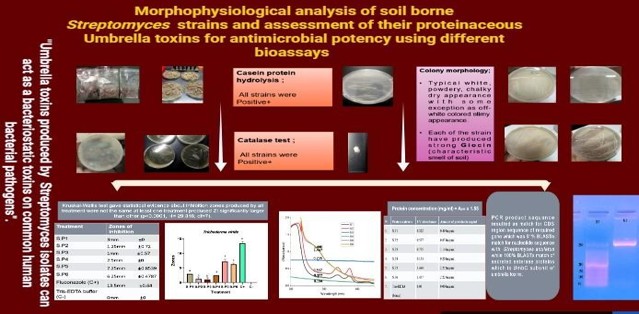
Morphophysiological analysis of soil borne Streptomyces strains and assessment of their proteinaceous Umbrella toxins for antimicrobial potency using different bioassays

Abstract

The rising demand for antimicrobial drugs is pushing towards extensive research on unveiling natural sources specifically microorganisms more particularly bacteria. Genus Streptomyces is known for production of a vast diversity of secondary metabolites such as aminoglycosides, tetracyclines, macrolides with their characteristic structure and functions. In this study, the indigenous Streptomyces isolates were screened for production of recently discovered proteinacious toxins named as umbrella toxins due to their structural pattern. These toxins are extracellular polymorphic protein complexes and are product of combination of secondary metabolite protein subunits secreted during stationary phase. Screening of isolated strains for production of these toxins was done to test and evaluate potential antibacterial and antifungal activities. Six different strains were selected on the basis of different morphological appearance, for extensive experimental work to carry. These particular strains were then experimented through bioassays. Employing Agar-well diffusion method the dialyzed suspension was subjected to evaluation of antibacterial activity against Staphylococcus aureus, Escherichia coli, Salmonella sp., Enterobacter sp., Pseudomonas aeruginosa, Klebsiella sp. Using same method and concentrations of protein suspension, it was tested against three variable human pathogen fungal strains such as Trichoderma viride, Mucor muceda, Penicilium digitatum on PDA plates using fungal specific optimal growth conditions. Using freshly isolated RBCs from blood and mixing it with adequate quantity of protein suspensions of all six strains hemolysis assay was conducted to see hemolytic activity. For hemolysis, the expired human blood was used which was obtained with permission from Bood Bank/Laboratory of the hospital. The expired blood bag of human was used for this assay and no human was involved in this study. After RBC isolations, activity suspension then exposed to 549nm UV spectrophotometry to evaluate the released amount of hemoglobin. From all the six extracted protein suspensions two were selected for protein profiling (SDS-PAGE) to check for occurrence of bands reassembling the desired protein complexes. To confirm the presence of gene coding for umbrella toxins PCR method was use to examine one of our strongest Streptomyces strain candidates. This study discusses the primary structural and molecular characterization of umbrella toxins and all-encompassing screening from endemic species of Punjab, Pakistan. The combined evaluated findings of all assays including bioassays, antimicrobial assays, hemolysis assay, spot assay, co-culture assay emphasize the biostatic potential of these toxins on common pathogens. These results lay a strong base for further future research aiming towards purification, and mode of action analysis as novel antimicrobial drug.

Graphical abstract:
Prof Nazish Graphic

Shamim Akhtar-7

Dr. Shamim Akhtar

Guest Speaker 

Rawalpindi Women University, Pakistan

Dr. Shamim Akhtar is a researcher and academic specializing in Plant Stress Physiology, Plant Nutrition, Post-Harvest Biology, and sustainable waste management. She completed her Ph.D. in 2013 and has since developed an active academic and research career focused on understanding plant responses to environmental stresses, including drought, iron deficiency, and pollution, and developing innovative approaches to improve plant resilience, productivity, and sustainability. Her research also includes extending the shelf life of fruits through the application of nanoparticles while maintaining their nutritional and quality attributes. In the area of sustainability, she is focusing innovative strategies for the efficient utilization of organic waste and its conversion into valuable resources for agriculture and environmental conservation. Dr. Akhtar has presented her research at various scholarly forums and actively contributes to the dissemination of scientific knowledge through research publications, conferences, teaching, and supervision of Ph.D. and M.Phil. Students. Her multidisciplinary research reflects her commitment to advancing plant sciences and developing sustainable solutions to contemporary agricultural and environmental challenges.

Dr. Abdisa Sisay Mekonnin

Dr. Abdisa Sisay Mekonnin

Guest Speaker

University of Málaga, Spain

Dr. Abdisa Sisay Mekonnin completed his Ph.D. in Materials Engineering at the Silesian University of Technology, Faculty of Materials Engineering, Department of Material Technologies in Poland, and a Ph.D. in Mechanical Engineering at the University of Málaga, Spain under a cotutelle agreement. His academic and research experience centers on future materials and energy materials for sustainable technologies. His research interests include energy storage and hydrogen energy, materials for hydrogen storage, material properties at sub-zero temperatures and fracture behavior, and the mechanics and characterization of austenitic stainless steels. Through his interdisciplinary work, Dr. Abdisa contributes to the development of next-generation materials for clean energy applications.

Dr. Habib Ullah

Dr. Habib Ullah

 Keynote Speaker 

Universiti Brunei Darussalam

Dr. Habib Ullah is an Assistant Professor of Computational Chemistry at the Centre for Advanced Materials and Energy Sciences (CAMES), where he leads an independent research program in computational materials design.

He did his PhD in Computational Chemistry at the University of Exeter (UoE), UK (2018), followed by research fellowships there for about 7 years, working on the Interreg 2 Seas Electrons-to-Chemicals (E2C) project and the EPSRC HECARBO project, concluding in a permanent Research Fellowship (2024–2026) and an Associateship of UoE. Prior to joining Exeter, he served as a Lecturer in Physical Chemistry at the University of Peshawar, Pakistan.

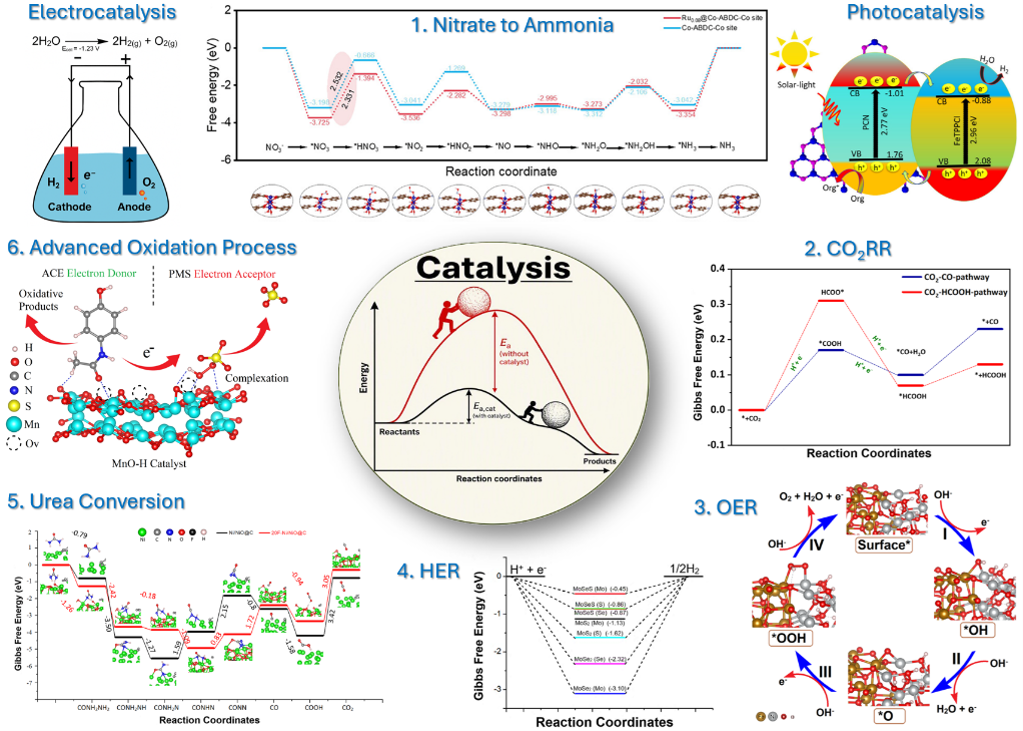
Dr. Habib’s research uses first-principles density functional theory (DFT) and molecular dynamics simulations to design and understand advanced materials for green hydrogen production, carbon utilisation, and environmental remediation. His work spans an unusually broad materials space, from transition-metal oxides, alloys and nanostructures to metal–organic frameworks, perovskites, heterostructures, and two-dimensional materials, with a consistent focus on the catalytic mechanisms underlying HER, OER, UOR, CO₂RR, and pollutant degradation reactions. He has authored more than 80 publications in leading journals including Nature Electronics, JACS, Advanced Materials, ACS Catalysis, and Applied Catalysis B, amassing over 6,000 citations and an h-index of 44. Since 2022 he has been ranked among the top 2% of scientists worldwide (Stanford–Elsevier database).


Title: Designing Sustainable Materials for Energy & Environment Applications

Abstract: The transition to a sustainable energy future depends on the rapid discovery of materials that are efficient, stable, and scalable, yet conventional trial-and-error experimentation remains slow and costly. Computational modelling offers a powerful alternative: a virtual laboratory in which materials can be screened, active sites identified, and reaction mechanisms understood before a single sample is synthesized.

This talk presents an overview of my research on the computational design of advanced materials for Green Hydrogen Production, Carbon Utilisation, and Environmental Remediation. Using first-principles density functional theory (DFT) simulations, I investigate the atomic- and electronic-scale behaviour of catalytic materials, spanning transition-metal oxides, alloys, nanostructures, metal–organic frameworks, perovskites, heterostructures, and two-dimensional systems, to understand and optimise key reactions including the Hydrogen Evolution Reaction (HER), Oxygen Evolution Reaction (OER), Urea Oxidation Reaction (UOR), CO₂ Reduction (CO₂RR), and Pollutant Degradation.

I will also highlight how these computational predictions have been translated into practice through collaborations with experimental groups, including the scale-up of electrocatalysts into working AEM electrolyser systems. The talk will close with a look at emerging opportunities for interdisciplinary collaboration in computational chemistry and sustainable manufacturing, and how theory-guided design can accelerate the path from atomic-scale insight to deployable clean-energy technology.

References:

  1. Zhang, H. Ullah. et al., Adv. Funct. Mater., 2026; 36:e00025
  2. Garai, H. Ullah et al., Adv. Funct. Mater., 2026; 36:e30090
  3. Muthukumar, H. Ullah, et al., J. Am. Chem. Soc. 2025, 147, 29949−29960
  4. Zhang, H. Ullah. et al., ACS Catal.,2025, 15 (20): 17155–17165
  5. Xu, H. Ullah. et al., Adv. Funct. Mater. 2023, 33, 2303986
  6. Ullah. et al., Appl. Catal. B: Environ. 2018, 224, 895–903
Dr. Syed Shoaib Ahmad Shah

Keynote Speaker

NUST, Pakistan

Dr. Syed Shoaib Ahmad Shah is currently working as Associate Professor at Department of Chemistry, NUST, Pakistan, previously CAS-President (PIFI) postdoc fellow in Prof. Hai-Long Jiang group, University of Science and Technology of China (USTC), and as Assistant Professor in The Islamia University of Bahawalpur, Pakistan. In 2018, he has earned his Ph.D degree from Chongqing University, China, under the guidance of Prof. Zidong Wei. His current research focuses on synthesis of MOF-based carbon materials (electrocatalysts), processing and characterizations of nanostructures for sustainable energy conversion and storage devices. He has credited several peer reviewed published articles in well-known journals like Angew. Chem., Materials Today, Nano-Micro Letters, J. Phy. Chem. C, J. Mat. Chem. A, Chinese Journal of Catalysis, Chemical Engineering Journal, Appl. Cata. B: Environ., J. Power Sources, etc. In addition, he has awarded as out-standing researcher from several international organizations. He is also working as editorial board member in several SCI indexed journals including Nano-Micro Letters.

Presentation Title

Defect and Doping Engineering in Catalysis Precision Engineering of MOF-based Anti-poisoning Electrocatalysts

Abstract

Electrocatalysis represent the pinnacle of carbon-economy and sustainability, yet industrial application is often limited by poisoning from flue gas impurities like SOₓ and NOₓ. The advanced strategies have been developed for the precision engineering of catalysts to enhance both activity and durability. A key focus is placed on metal-organic framework (MOF)-based designs, which allow for the isolation of metal centers and the implementation of second-shell modulation. Furthermore, innovative anti-poisoning effect, including the development of synergistic dual-site interfaces, without sacrificing catalytic performance. The integration of heteroatom doping, further provides a robust pathway for creating impurity-tolerant electrocatalysts. These findings offer a comprehensive framework for designing the next generation of resilient catalysts capable of direct industrial gas conversion.

Dr. Wang Aiwu

 Guest Speaker 

Shenzhen Technology University, China

Wang Aiwu, Associate Professor at Shenzhen Technology University, focuses on organic–inorganic hybrid single crystals and molybdenum oxide-based functional materials. To address the challenges of defect-rich high-temperature/high-pressure preparation and the high nucleation barrier and slow growth in ambient-temperature/pressure synthesis, he leverages a room-temperature aqueous in situ observation platform to reveal the mechanism by which interfacial interactions lower the nucleation barrier. By exploiting the system’s rapid crystallization kinetics, he achieves batch synthesis of large-sized novel molybdenum oxide hybrid single crystals at ambient temperature and pressure, providing new theoretical and technical pathways for the low-cost, scalable preparation of high-performance functional materials.

Dr. M. Nasim Ullah Qureshi

Guest Speaker

University of Sawabi, Pakistan

Prof. Dr. Muhammad Nasimullah Qureshi is currently working as Chairman, Department of Chemistry, University of Swabi. He got his PhD degree from the University of Innsbruck, Austria and completed Post Doctorate Chinese Academy of Science, China. He is the author of a number of research articles published in reputable research journals, book chapters and technical reports. He is the editor and reviewer of a number of  Chemistry research journals. He has been among the organizers of national and international conferences and presented his research work in national and international forums in different countries. He is an HEC and IRTC approved supervisor for research scholars and students at graduate and undergraduate level. His research achievements/contributions are internationally acknowledged, highly applicable and have long lasting impacts in the industrial sector. His established protocols/techniques are being used in national, international pharmaceutical/chemical industries for the quality control of different materials, products and for R&D activities. Based on his research work he has been awarded OEAD visiting researcher fellowship, Austria 2022, Ernst-Mach Award, Austria 2018 and 2019, Chinese Academy of Science Fellowship for Postdoctoral Scholars from Developing Countries Award, China in 2014, Research Productivity Award by the Pakistan Council of Science and Technology, Pakistan in 2012, HEC-OEAD scholarships for PhD studies in Austria, and Productive Scientist of Pakistan.

Dr. Iram Saba

 Guest Speaker 

 GC Women University Sialkot, Pakistan

Dr. Iram Saba (Gold Medalist) is a Lecturer in the Department of Chemistry, Government College Women University Sialkot (GCWUS), Katchehry Road, Sialkot, Punjab, Pakistan. She received her Ph.D. in 2019 with a focus on Biochemical Attributes of Essential Oils from Selected Medicinal Herbs Grown in Different Agroclimatic Regions. Her research interests include Green Synthesis, Nanomaterials, Bioactive Components, Antimicrobial and Anticancer Activities, Nanocomposite Materials and their Applications in Energy Storage Devices. Dr. Saba has been serving as a Scientific Officer at NOON Botanicals, Bhalwal, Sargodha since 2019. She is also an InterSCALE Member in an international project on “Supportive Women in Science” led by the University of Oxford and Aga Khan University. She has participated as an Invited Speaker and delegate in more than 20 international conferences, seminars, and workshops. She has authored over 51 research publications with a cumulative impact factor of 100+, more than 500 citations, h-index of 12 and an i10-index of 13. At GCWUS, she has developed 05 courses, designed 03 new courses for the BS program and 02 for the MS program, and has supervised 16 MS students and co-supervised 02 MS students. She served as a Member of QEC (2022-2024) and has been the Coordinator for BS/SSDP Admissions since 2022. Dr. Saba is recognized as a Best Reviewer for PLOS ONE, Scientific Reports, and Natural Product Research (Taylor & Francis). She serves as an Editor for Nutrition and Food Processing and International Journal of AI Research, and as a reviewer for more than 10 international scientific journals. She holds a British Council Expert Trainer Certificate (PEELI Project, 2020) and a QAED Expert Trainer Certificate (2014), along with a Best Administration and Management Skills Certificate from the Education Department. 

Dr. Asad Mumtaz

Dr Asad Mumtaz

Guest Speaker

 NUST, Pakistan

Dr Asad Mumtaz is working as Assistant Professor of Physical Chemistry since from 11 Oct. 2018, in National University of Sciences and Technology Islamabad. He has completed his PhD from Universiti Teknologi PETRONAS, Malaysia since 2018. He has expertise in developing nanomaterials for various energy conversion and storage applications. His extensive work includes 0D/1D, 1D/1D, 2D/1D,3D/1D, and 2D/2D based heterojunctions for task specific applications. Moreover, 2D Graphene and Mxenes are his favorite materials of interest to develop.

Dr Kubra Mehmood

Dr. Kubra Mehmood

 Guest Speaker 

 Planet BioLabs

Dr. Kubra Mehmood is a biotechnology professional, researcher, entrepreneur, and scientific leader dedicated to advancing biotechnology through research, innovation, and international collaboration. As the CEO of Planet BioLabs, she works at the intersection of molecular biology, microbial biotechnology, molecular diagnostics, bioinformatics, and applied life sciences, with a focus on translating scientific knowledge into practical and sustainable solutions for agriculture, and environmental challenges.
Dr. Mehmood is strongly committed to strengthening the global scientific ecosystem by fostering interdisciplinary collaboration, encouraging knowledge exchange, and supporting the professional development of young scientists. Her interests extend beyond research to science entrepreneurship, capacity building, mentorship, and creating meaningful connections between academia, industry, and emerging scientific talent.

Submit your Presentation