

Introduction
What if aging wasn’t simply inevitable but a process we could slow down or even partially control?
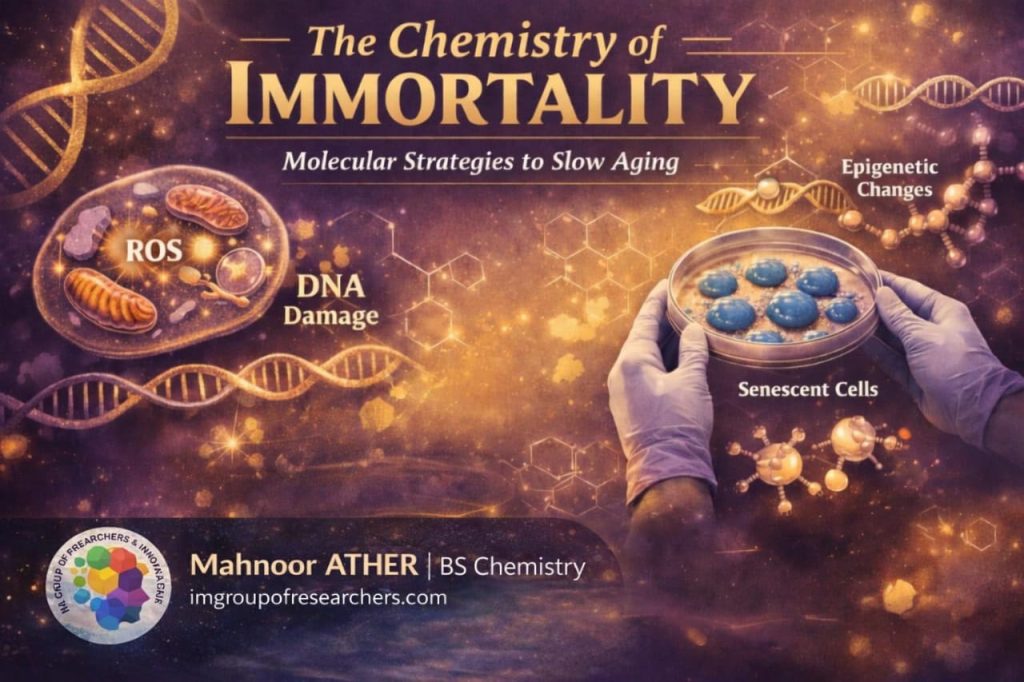
For centuries, immortality has been a philosophical dream. Today, it is becoming a scientific pursuit through the chemistry of immortality. Modern research shows that aging is not just a natural decline but a series of biochemical reactions happening within our cells.
From oxidative stress to DNA damage and cellular dysfunction, scientists are uncovering how these molecular processes drive aging. More importantly, they are exploring ways to influence them, shifting the focus from living longer to living healthier for longer.
Free Radicals and Oxidative Stress in Aging
At the core of the chemistry of immortality lies oxidative stress, one of the most widely studied mechanisms of aging.
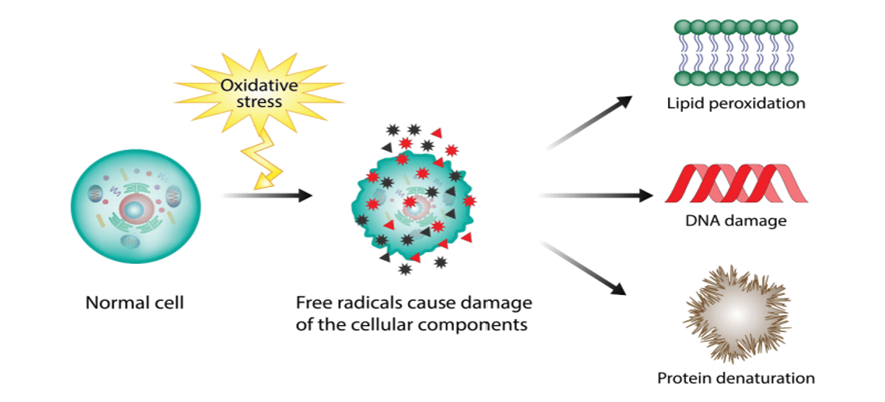
During normal metabolism, especially inside mitochondria, cells produce reactive oxygen species. These molecules are highly reactive and can damage cellular structures when not balanced by antioxidants.
How oxidative stress damages the body
When reactive oxygen species exceed the body’s defense capacity, they begin to harm essential biomolecules such as DNA, proteins, and lipids. This leads to mutations, reduced enzyme efficiency, and weakened cell membranes.
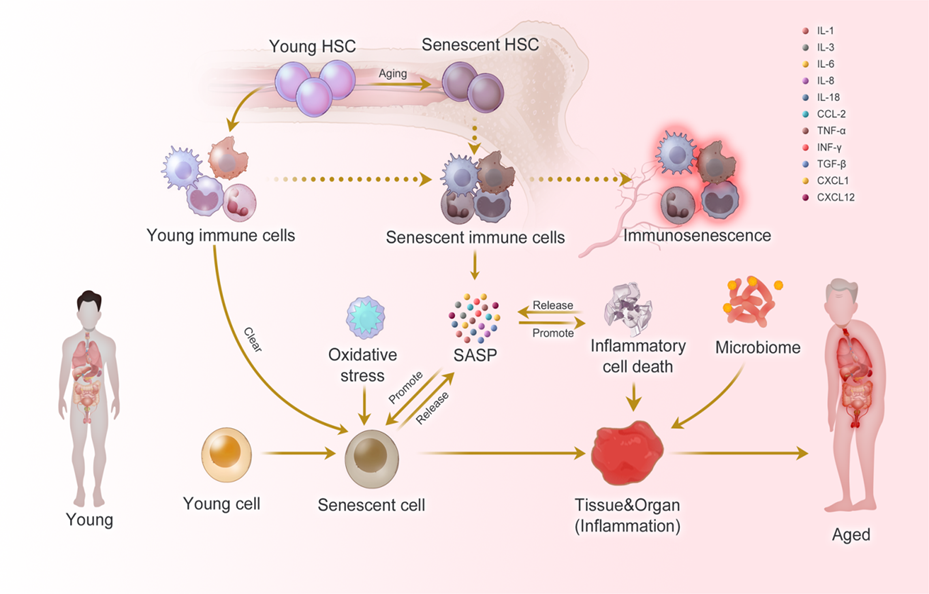
Over time, this damage accumulates and reduces cellular performance. Cells may eventually enter a state called senescence, where they stop dividing but continue releasing harmful signals.
To better understand how scientists study such delicate cellular reactions without disturbing natural processes, you can explore bioorthogonal chemistry approaches developed in modern research, often discussed in leading journals like Nature Research.
Cellular Senescence and the Rise of Senolytics
Cellular senescence is a defining feature in the chemistry of immortality.
Senescent cells are often referred to as zombie cells because they remain active while no longer functioning properly. These cells release inflammatory molecules that damage surrounding tissues and accelerate aging.
Targeting senescent cells
Researchers have developed innovative strategies to deal with these cells. Senolytics are compounds designed to eliminate senescent cells, while senomorphics suppress their harmful secretions.
This ability to manipulate cellular behavior connects closely with broader scientific efforts to control biological systems at a fundamental level, similar to the concepts explored in synthetic life research.
Natural compounds such as polyphenols found in fruits and vegetables are also being studied for their ability to enhance mitochondrial function, regulate gene expression, and support cellular cleanup processes.
According to studies supported by institutions like the National Institute on Aging, targeting senescent cells may significantly improve tissue health and reduce inflammation.
Anti-Aging Compounds and Molecular Interventions
A major focus of the chemistry of immortality is the development of compounds that act directly at the molecular level.
Antioxidants and cellular defense
Antioxidants help neutralize harmful molecules and protect cells from damage. Compounds such as flavonoids and stilbenes can reduce oxidative stress and support cellular defense systems.
Their effectiveness, however, depends on how well they are absorbed and utilized within the body.
Senolytic compounds
Senolytic agents target survival pathways in damaged cells, allowing them to undergo controlled cell death. This helps the body remove dysfunctional cells and maintain healthier tissues.
Many of these compounds overlap with discoveries in therapeutic chemistry, where small molecules are being developed to treat major diseases through targeted biological interactions.
Mitochondrial support
Mitochondria play a central role in energy production and are a major source of reactive oxygen species. Improving their efficiency can reduce cellular damage and support long-term health.
Nutraceuticals and diet-based molecules
Plant-based compounds are gaining attention for their ability to influence gene expression, reduce inflammation, and promote cellular repair. These findings are increasingly supported by global health research from organizations such as the World Health Organization.
DNA Damage and Chemical Changes in Aging
Aging is closely linked to chemical changes in DNA and proteins, making this a central theme in the chemistry of immortality.
DNA damage and epigenetic shifts
Over time, DNA accumulates damage due to environmental exposure and oxidative stress. Epigenetic changes further alter how genes are expressed without changing the underlying genetic code.
These shifts can disrupt normal cellular function and accelerate aging.
Telomere shortening
Telomeres protect chromosome ends but shorten with each cell division. When they become too short, cells lose their ability to divide and enter senescence.
Protein modifications
Proteins undergo chemical changes such as oxidation, glycation, and cross-linking. These modifications reduce their functionality and are linked to age-related diseases.
Loss of proteostasis
Aging disrupts the balance between protein production and degradation, leading to the accumulation of damaged proteins. This further impairs cellular performance and contributes to disease progression.
Ethical and Scientific Challenges
While the chemistry of immortality offers exciting possibilities, it also raises important concerns.
Scientific limitations
Most anti-aging strategies are still in early stages. Aging is a complex process involving multiple biological systems, and targeting one pathway alone may not be sufficient.
Risks of over-intervention
Manipulating biological systems can lead to unintended effects. Removing too many senescent cells may interfere with healing, while excessive antioxidant use may disrupt normal cellular signaling.
Ethical considerations
Extending human lifespan raises questions about fairness, access to treatments, and global resource distribution.
Redefining immortality
In scientific terms, immortality is not about living forever. Instead, it focuses on extending healthy and active years of life.
The Future of the Chemistry of Immortality
The future of the chemistry of immortality lies in combining multiple strategies to address aging at its root.
Researchers are exploring integrated approaches that reduce oxidative stress, repair DNA, improve mitochondrial performance, and remove dysfunctional cells.
Emerging technologies such as nanotechnology are expected to play a major role. Concepts like molecular robots, which could repair cellular damage at the nanoscale, are already being explored in advanced research.
These innovations are part of a broader wave of discoveries shaping the future of science, where chemistry continues to redefine what is possible in human health.
Conclusion
The chemistry of immortality is transforming how we understand aging. Rather than an unavoidable decline, aging is now seen as a process that can be studied and potentially influenced.
By targeting oxidative stress, cellular senescence, and molecular damage, science is opening new pathways toward healthier aging. While true immortality remains out of reach, extending healthspan is becoming an achievable goal.
The future is not about living forever but about living better for longer.
Editor: Ayesha Noor